
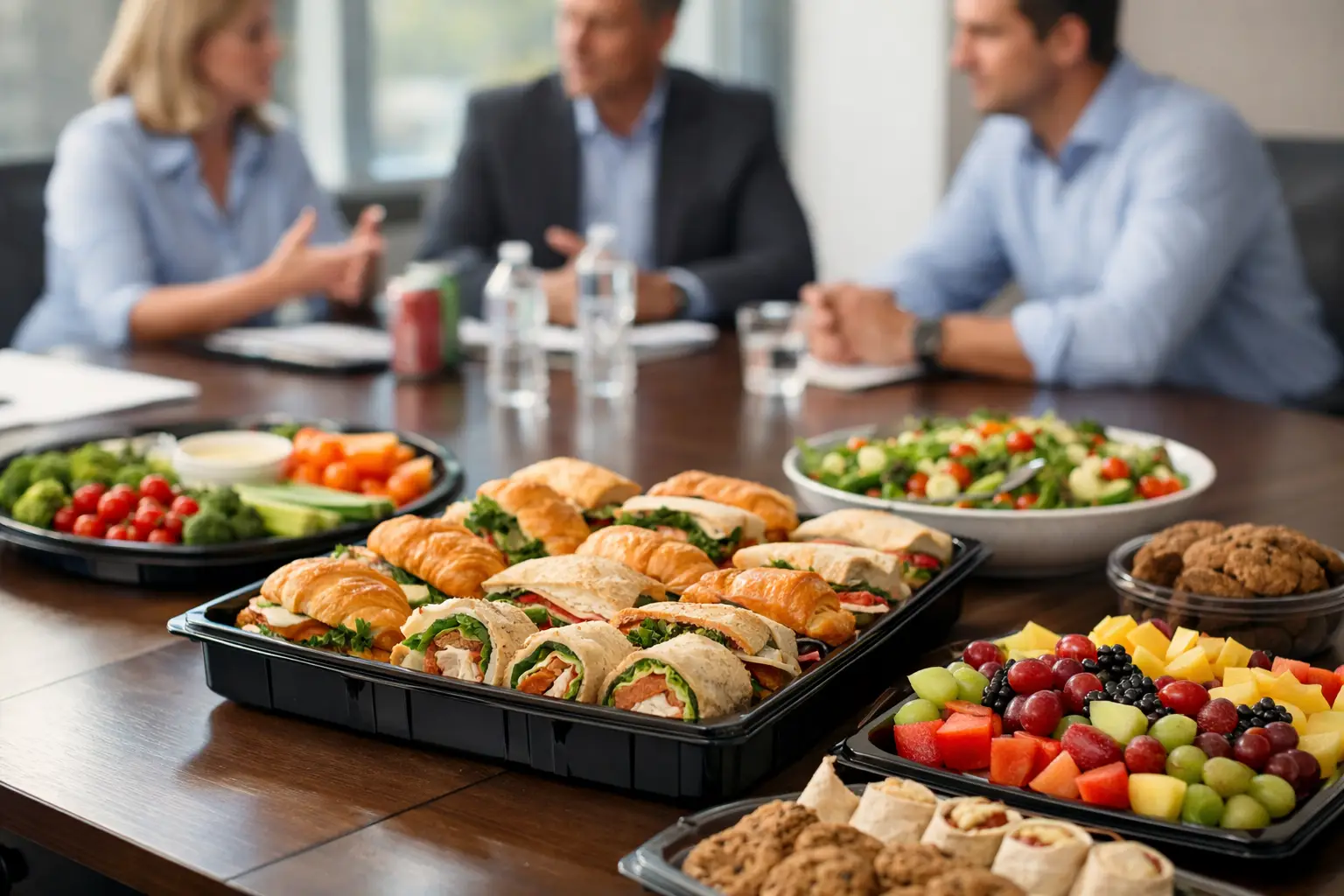
A meeting that runs past noon has two possible endings: people leave energized and ready to act, or everyone starts staring at the clock, thinking about snacks. When you order lunch catering for meetings, the food is not a side detail. It is a practical way to keep the room comfortable, focused, and a little more excited to be there.
For Huntington teams, client gatherings, school groups, creative brainstorms, and family business get-togethers, the right lunch spread needs to do more than arrive on time. It should work for real people with real appetites, different schedules, and dietary needs that do not fit into one sad tray of sandwiches. Here is how to make the call that keeps the agenda moving and the table looking mighty fine. ✌️
Start With the Meeting, Not Just the Headcount
Before choosing wraps, bowls, or sandwiches, think about what kind of room you are feeding. A casual team check-in has different needs than a presentation with new clients. A working lunch often calls for food that is easy to eat one-handed, while a celebratory lunch can handle a more generous, colorful spread.
Timing matters too. If lunch is arriving before a two-hour workshop, choose satisfying options with protein, fresh ingredients, and enough variety to prevent the mid-afternoon slump. If you are serving food after a morning event, lighter bowls, wraps, smoothies, or breakfast-lunch favorites may be the move.
Headcount is your starting point, not your entire plan. Consider whether attendees are likely to arrive hungry, whether lunch is the main meal of the day, and whether a few guests may join at the last minute. Ordering just enough can sound efficient, but meeting hunger is famously unpredictable. A little breathing room in the order is usually kinder than watching someone split the last wrap into office diplomacy portions.
Make Dietary Variety Part of the Main Plan
The best meeting catering does not make vegan or gluten-free guests feel like an afterthought. If your group includes mixed diets, build the order around variety from the start instead of trying to patch it later with one separate item.
A balanced lunch might include hearty wraps and sandwiches for classic comfort-food fans, colorful bowls for guests looking for something fresh, and substantial vegan choices that stand on their own. Add clearly labeled options whenever possible. Nobody wants a ten-minute mystery conversation over which tray contains dairy, gluten, or the plant-based pick.
This approach also helps everyone else. Plenty of people are not strictly vegan or gluten-free but still appreciate having a lighter, veggie-forward option at lunch. A table with more than one lane gives people a choice without making the order feel complicated.
There is a trade-off, of course. A huge menu can make group ordering feel like a spreadsheet with hot sauce. Keep it simple by choosing a few dependable categories, then offering enough variation within them. For many groups, two or three entrée styles plus sides and drinks is more useful than ordering one of everything.
A simple mix that works for most groups
For a typical office or community meeting, aim for a combination of familiar and flexible choices. Think satisfying wraps or sandwiches, protein-packed bowls, and a meaningful plant-based option. Add a shared side or two, then round things out with coffee, bottled drinks, or smoothies depending on the time of day.
If the meeting starts early and stretches into lunch, breakfast burritos or breakfast sandwiches can be a crowd-pleasing wildcard. They are filling, easy to serve, and much more memorable than a stack of stale pastries. No offense to the pastry tray. It has carried many a Monday, but it cannot carry a full agenda alone.
Choose Food That Respects the Agenda
Great lunch catering should support the meeting rather than interrupt it. Foods that require a knife, a balancing act, or an emergency dry-cleaning appointment are usually not ideal for a conference table. Wraps, sandwiches, bowls, and neatly portioned sides keep things moving while still feeling like a real meal.
Think about setup, too. Are people eating around a table, standing during a networking event, or grabbing lunch between sessions? Individual packaging can make sense for tightly scheduled meetings, shared office spaces, or groups where guests need to take food back to their desks. Family-style catering can feel warmer and more communal for a team lunch or creative gathering where people have time to linger.
Neither option is automatically better. Individual meals offer clarity and convenience. Shared platters create a more social, abundant feel and can reduce packaging. The right choice depends on your room, your schedule, and whether the meeting is built for collaboration or speed.
Order Lunch Catering for Meetings Early Enough
Last-minute lunch orders happen. Calendars shift, a client calls, someone realizes the all-hands meeting is happening during lunchtime, and suddenly twenty people need food by noon. A reliable local café can be a lifesaver in those moments.
Still, ordering ahead is the best way to get the variety you actually want. Advance notice gives the kitchen time to prepare a thoughtful spread, accommodate dietary requests, and organize the order so the pickup or delivery process is smooth. It also gives you time to confirm quantities, serving needs, and who is responsible for receiving the food.
For smaller groups, a day or two may be plenty. For larger meetings, recurring office lunches, or events with special requests, give more lead time when you can. If you are planning for an important client presentation or a weekend gathering, early ordering means one less thing competing for your attention.
When placing the order, share the useful details: guest count, arrival time, dietary needs, whether you need individual labels, and any building access or pickup instructions. These small notes prevent the classic catering plot twist where the food arrives beautifully, but nobody knows which entrance is open.
Do Not Forget Drinks and the Little Things
Lunch gets the spotlight, but drinks can set the mood. Coffee is a natural companion for morning meetings and long planning sessions. Smoothies add a fun, refreshing option when the group wants something beyond standard bottled beverages. For a warm-weather lunch, cold drinks help the meal feel more complete and keep the room from getting sleepy.
Then there are the practical extras: napkins, utensils, plates, serving tongs, and a place to put everything. Check what is included before the meeting starts, especially if you are meeting off-site or hosting in a space without a stocked kitchenette. A beautifully planned lunch loses a little shine when twelve people are hunting for forks.
It is also smart to consider cleanup. Set aside a small area for trash and recycling, and make sure the catering setup does not take over the entire conference table. Food should bring people together, not bury the presentation materials.
Let Lunch Feel Like a Thank-You
A catered meeting meal is often about more than feeding attendees. It tells your team, clients, volunteers, or collaborators that their time matters. That does not require a fancy white-tablecloth production. It means choosing food that feels intentional, generous, and welcoming.
That is where a neighborhood spot with personality can make a difference. Stella Blue Bistro brings the kind of colorful, comfort-food energy that turns a routine lunch break into something people actually talk about afterward. With classic favorites alongside vegan and gluten-free options, nobody has to settle for the lonely backup meal.
A good lunch spread can soften the edges of a tough planning session, give new coworkers an easy conversation starter, or add a little joy to an otherwise packed day. Food will not solve every meeting problem. It cannot shorten a slide deck or stop someone from saying, “Let’s circle back.” But it can make the people in the room feel more human while they get the work done.
Next time a midday meeting lands on your calendar, give lunch a seat at the table. Choose food with flavor, flexibility, and enough good vibes to carry the room through the final agenda item.
Leave a Reply