
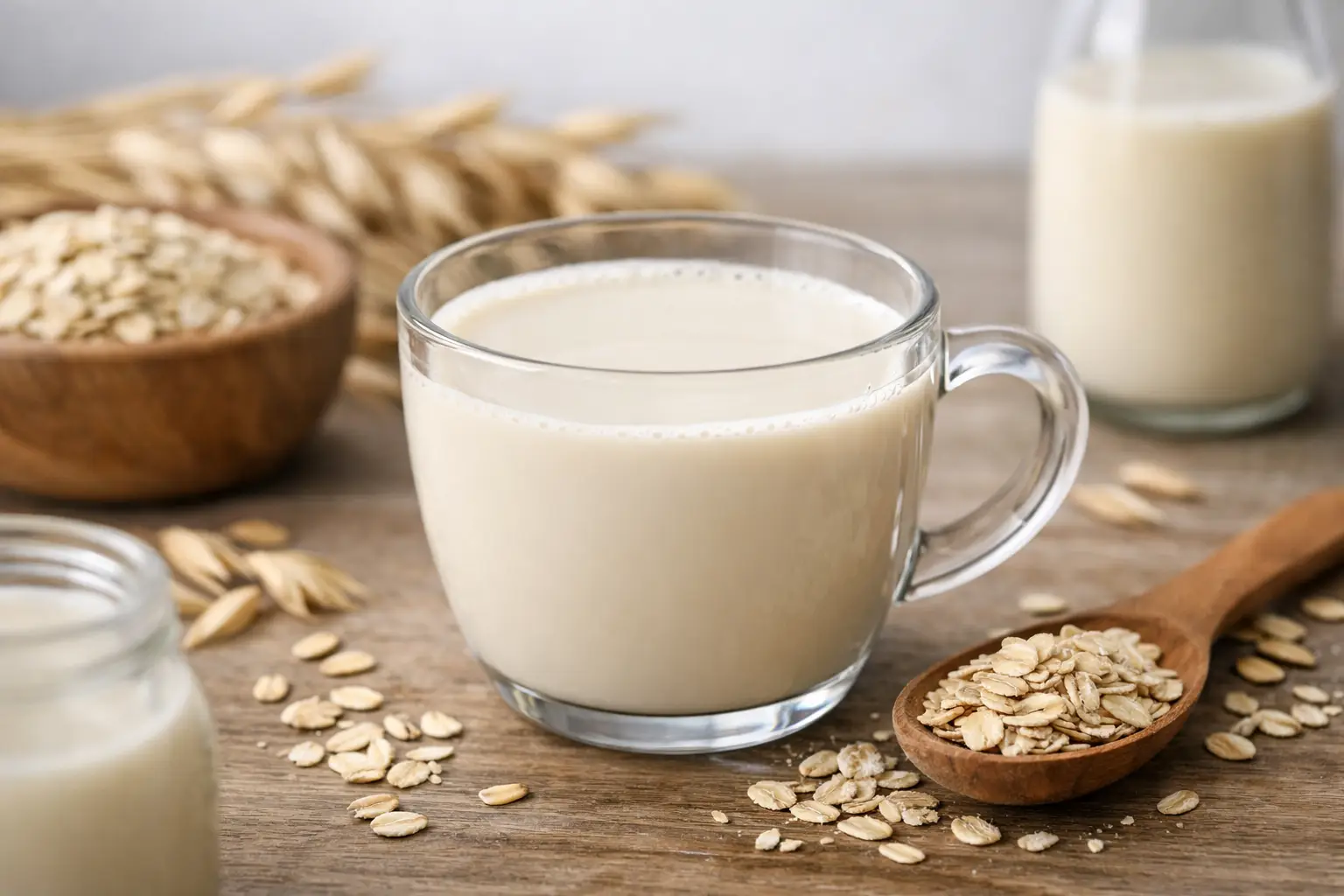
That silky oat milk swirl in your cold brew or smoothie can feel like a small breakfast win. And it can be. But oat milk nutrition is not one fixed thing – it changes a lot from carton to carton, especially when it comes to added sugar, protein, and fortification. The move is not to treat every oat milk like it has the same backstage lineup.
For brunch people, busy parents, plant-based eaters, and anyone who just wants a creamy coffee without dairy, oat milk can absolutely earn a spot in the fridge. Here is what is really in the cup, what to look for on the label, and how to pick one that fits your routine without draining the fun out of breakfast.
Oat milk nutrition starts with the label
Oat milk is generally made by blending oats with water, then straining the mixture. Many store-bought versions include oil for a richer texture, plus salt, vitamins, minerals, stabilizers, or sweeteners. Those extras are why two cartons that both say “oat milk” can have very different nutrition facts.
A typical cup of original oat milk often lands around 90 to 150 calories. It may contain roughly 2 to 4 grams of protein, 14 to 20 grams of carbohydrates, and 3 to 7 grams of fat. Unsweetened varieties can be lower in calories and sugar, while barista-style versions may be higher in fat or calories because they are designed to foam, steam, and make a latte feel properly luxurious.
The biggest surprise for many people is protein. Oats contain some protein, but most oat milks do not deliver as much as dairy milk or soy milk. If protein is a main goal for your breakfast, oat milk may be the supporting player rather than the headliner. Pair it with eggs, tofu, Greek yogurt if you eat dairy, nut butter, beans, or a protein-forward smoothie ingredient to keep the meal more satisfying.
What oat milk does well
Oat milk has a naturally mild, slightly sweet flavor and a soft, creamy body. That makes it an easy choice for coffee, cereal, overnight oats, baking, and smoothies. It is also dairy-free, which is helpful for people avoiding lactose or following a vegan eating pattern.
Many brands fortify their oat milk with calcium and vitamin D, sometimes adding vitamin B12 and riboflavin too. That can make it a useful dairy alternative, especially for people who otherwise would get those nutrients from cow’s milk. Fortification is not automatic, though. If calcium and vitamin D matter to your household, check the carton instead of assuming the good stuff is along for the ride.
Oats also contain beta-glucan, a soluble fiber associated with heart-health benefits when eaten regularly as part of an overall balanced diet. The catch: the amount that remains in oat milk varies by how it is processed, and a glass of oat milk is not nutritionally interchangeable with a bowl of whole oats. Think of it as a tasty option with potential perks, not a magical oat-powered force field.
The sugar question: Natural, added, or both?
This is where a quick label check pays off. Some oat milks are labeled unsweetened and contain little or no added sugar. Others, especially flavored products, can contain a meaningful amount of added sugar per serving. Vanilla oat milk may taste like a coffee-shop treat because, well, sometimes it is closer to one.
There is another wrinkle. During production, enzymes may break some oat starch into simpler sugars. That means an unsweetened oat milk can still show sugars on the Nutrition Facts panel even if no sugar was added. To see the full picture, look at both “Total Sugars” and “Includes Added Sugars.”
If you use a splash in coffee, the difference may be small. If you drink multiple glasses a day, make smoothies with it, or pour it generously over cereal, those numbers matter more. There is no need for food guilt – just know what your everyday pour is bringing to the party.
A note on coffee drinks
Oat milk’s creamy texture makes it a café favorite, particularly in lattes. A barista blend often performs better under steam, but it may include added oil and sometimes more carbohydrates than a basic unsweetened carton. That is not automatically a bad trade. A latte is allowed to taste good. It simply means a coffee drink with oat milk is not always nutritionally identical to black coffee with a tiny splash.
At Stella Blue Bistro, the best breakfast choices are the ones that work for the whole table – classic comfort-food fans, plant-based brunch lovers, and the person who only wants coffee until the breakfast sandwich arrives.
Oat milk nutrition compared with dairy and other plant milks
There is no universal “best milk.” The better choice depends on what you value most: protein, calories, allergies, taste, dietary needs, or how well it behaves in coffee.
Cow’s milk typically provides about 8 grams of protein per cup, making it a stronger protein choice than most oat milks. It also naturally contains calcium, though many dairy milks are fortified with vitamin D. Soy milk is usually the closest plant-based match for protein, often offering 6 to 8 grams per cup, and many versions are fortified.
Almond milk is often lower in calories when unsweetened, but it is usually low in protein. Coconut milk beverages can be creamy and dairy-free but also tend to offer little protein. Oat milk often sits in the middle: more body and carbohydrates than almond milk, less protein than dairy or soy, and a crowd-pleasing texture that works beautifully in coffee.
People with celiac disease or gluten sensitivity should take a closer look. Oats are naturally gluten-free, but cross-contact can happen during growing or processing. If strict gluten avoidance is necessary, choose oat milk made with certified gluten-free oats.
How to choose an oat milk that suits you
The best carton is the one that matches how you actually use it. If it goes in coffee every morning, taste and texture may be your first priority. If it is your child’s main milk alternative, fortification and protein may deserve more attention. If you are managing blood sugar or simply prefer less sweetness, unsweetened options are often the easier everyday choice.
When comparing cartons, give the nutrition panel a quick four-part scan:
- Protein: Most oat milks are modest here. Choose a higher-protein option or build protein into the meal around it.
- Added sugar: Unsweetened is usually the simplest pick for regular use, while flavored varieties can be an occasional treat.
- Calcium and vitamin D: Fortified products can help fill nutritional gaps when replacing dairy milk.
- Ingredients and serving size: Oils and gums are common and can improve texture. What matters is whether you like the product and how it fits into your overall eating pattern.
Do not get distracted by a long ingredient list alone. Some ingredients are there to prevent separation or create a smoother foam. If you prefer a shorter list, that is a totally reasonable preference. But “shorter” does not always mean “more nutritious,” just as “barista blend” does not automatically mean “less healthy.”
Making oat milk part of a more filling breakfast
Oat milk can add creaminess and flavor, but it is rarely enough to make breakfast stick on its own. The easy fix is to pair it with foods that bring protein, fiber, and fat to the table.
Try an oat milk latte with an egg-and-veggie wrap, tofu scramble, or breakfast burrito. Blend oat milk with berries, spinach, peanut butter, and a protein source such as Greek yogurt, soy yogurt, or protein powder. Use it in overnight oats, then add chia seeds, walnuts, and fruit. The goal is not to make breakfast perfectly curated for the internet. It is to make it satisfying enough that you are not hunting for snacks 45 minutes later.
Portion matters, too. A few ounces in coffee and a full 8-ounce glass are different nutritional situations. Neither is wrong. They just belong in different parts of the day.
The bottom line on your creamy pour
Oat milk is a delicious dairy-free option with real strengths: it is versatile, often fortified, and especially good at making coffee and smoothies feel a little more festive. Its trade-offs are usually lower protein and, depending on the brand, more carbohydrates or added sugar than you might expect.
Choose the carton that suits your breakfast, read the label with clear eyes, and let your food do what good food should do: keep you fueled, happy, and ready for whatever strange little adventure the day brings. ☀️
Leave a Reply