
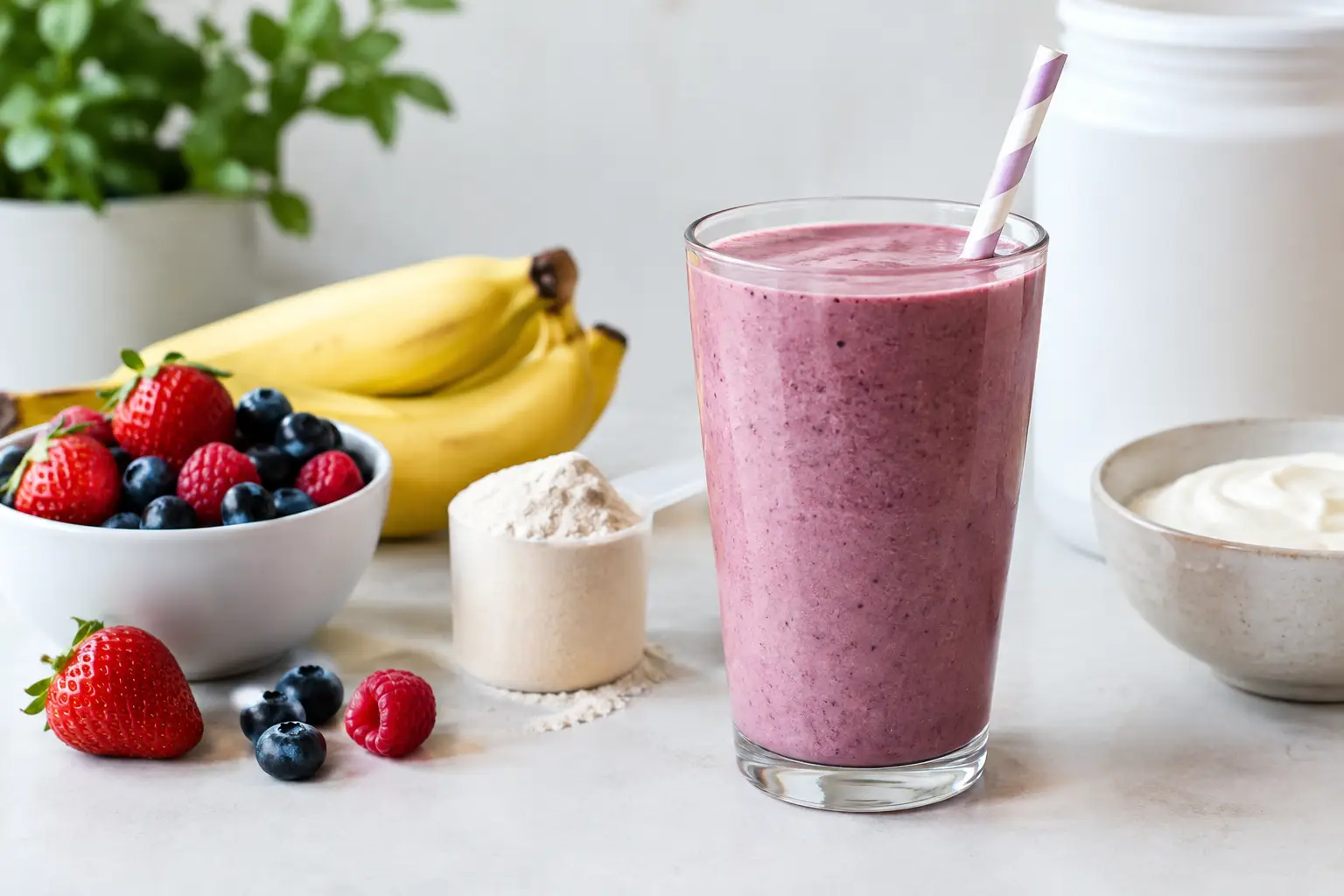
A smoothie can look like a sunny little cup of fruit and still keep you full long after the straw hits the bottom. So, can smoothies include protein? Absolutely. Protein is what turns a frozen-fruit blend from a quick sweet sip into breakfast, a post-gym refuel, or a lunch that can actually carry you through the afternoon.
The trick is not making it taste like chalky gym-bag dust. A great protein smoothie should still be cold, creamy, bright, and fun to drink – with enough real flavor that you want another one tomorrow.
Why protein changes a smoothie
Fruit brings natural sweetness, color, and fast energy. But fruit alone can leave some people hungry again an hour later, especially if the smoothie replaces a meal. Adding protein helps make the drink more satisfying and supports muscle repair after activity. Pair it with fiber from fruit, oats, or chia and a little healthy fat from nut butter, seeds, or avocado, and you have a much steadier blend.
There is no single magic number for everyone. A light snack smoothie may need only a modest protein boost, while a breakfast or post-workout smoothie might call for a more substantial serving. Your appetite, activity level, dietary needs, and what else is on your plate all matter. A smoothie is not required to do every job at once.
Can smoothies include protein without powder?
Yes, and the options are far more delicious than many people expect. Protein powder is convenient, but it is only one player in the blender band. Whole-food ingredients can bring protein plus texture, flavor, and other nutrients.
Greek yogurt and cottage cheese for extra creaminess
Greek yogurt is a classic for good reason. It adds a tangy, milkshake-like body and pairs beautifully with berries, bananas, peaches, pineapple, and honey. Plain varieties let you control the sweetness, while vanilla can be a quick shortcut on a busy morning.
Cottage cheese might sound like a wild card, but when blended thoroughly, it becomes surprisingly smooth. It has a mild flavor and gives strawberry, blueberry, and cocoa smoothies a rich, creamy texture. If you are skeptical, start with a small amount and plenty of frozen fruit.
Nut butters, seeds, and oats for staying power
Peanut butter, almond butter, cashew butter, and sunflower seed butter all add protein, satisfying fats, and a cozy richness. Chocolate-banana-peanut butter is an obvious crowd-pleaser, but sunflower seed butter also works beautifully with berries for a nut-free option.
Chia seeds and hemp hearts are smaller additions with big benefits. They blend easily, add gentle nuttiness, and help make a smoothie feel more like food than a beverage. Oats can add even more body, especially in banana, cinnamon, apple, or coffee-inspired blends. These ingredients are not as protein-dense as Greek yogurt or protein powder, but they make the overall smoothie more filling.
Tofu and soy for plant-based power
For vegan smoothies, silken tofu is one of the most underrated blender ingredients around. It has a neutral taste, turns ultra-creamy when blended, and works with everything from mango and pineapple to cocoa and cherries. Choose silken tofu for the easiest texture, then add frozen fruit and a splash of plant milk.
Soy milk is another strong plant-based choice. Compared with many other plant milks, it generally contributes more protein while keeping the smoothie smooth and pourable. Pair it with banana, berries, dates, cocoa, or a spoonful of nut butter for a plant-based breakfast that feels far more substantial than juice in disguise.
When protein powder makes sense
Protein powder can be wonderfully practical when you need a dependable boost with minimal prep. It is especially useful for a quick breakfast before work, after a workout, or on those mornings when the calendar is playing drums and you need to get out the door.
Whey protein often blends smoothly and has a mild dairy flavor. Plant-based powders, commonly made from pea, soy, rice, or blended sources, are useful for vegan diners and anyone avoiding dairy. They can vary a lot in texture, though. Some are creamy and subtle; others are grainier or more earthy.
Try one scoop only after checking the serving size on the container. If the flavor feels too strong, use half a scoop and let Greek yogurt, tofu, or nut butter help do the rest. Vanilla powder is versatile for fruit smoothies, while chocolate powder is a natural match for banana, peanut butter, cold brew, or cherries.
Watch the extras, too. Some powders are lightly sweetened, while others bring a candy-shop level of sweetness or a long list of add-ins. That does not automatically make them bad, but it does change the flavor and the role they play in your smoothie.
Build a protein smoothie that tastes like a treat
Think in layers: a creamy protein base, fruit for flavor, liquid to get the blender moving, and one personality ingredient. Frozen bananas give sweetness and softness. Frozen berries keep things bright and tart. Mango and pineapple bring tropical energy. Cocoa, cinnamon, vanilla, espresso, fresh ginger, and a pinch of salt can make a basic blend feel much more intentional.
For a berry-forward breakfast, try Greek yogurt or soy milk with frozen blueberries, banana, oats, and almond butter. For a chocolate craving, blend silken tofu or chocolate protein powder with banana, cocoa, peanut butter, and milk of your choice. For something fresh and green, use vanilla protein powder or plain yogurt with pineapple, spinach, banana, and ginger.
A small pinch of salt is the backstage hero here. It makes chocolate taste deeper, helps fruit taste sweeter, and pulls nut butter flavors forward without making the smoothie salty.
Common mistakes that make protein smoothies less satisfying
The biggest issue is often balance, not a lack of protein. A smoothie with multiple sweetened liquids, fruit juice, flavored yogurt, sweet protein powder, and syrup can become dessert in a cup before breakfast has even started. That can still be delicious, but it may not be what you wanted from a meal.
Another common miss is using too little liquid or too much ice. The blender stalls, the texture gets icy, and nobody has a good time. Start with a smaller amount of liquid, blend, then add more slowly until it reaches that perfect thick-but-sippable zone.
Finally, do not force ingredients you dislike. If protein powder tastes artificial to you, use yogurt, soy milk, tofu, or nut butter instead. If a dairy-based smoothie feels too heavy, a fruit-and-hemp blend may be the better move. The best protein smoothie is the one you will happily make again.
A smoothie can fit the whole table
Protein smoothies are especially handy when one group wants different things. One person may want a classic strawberry-banana blend, another may need dairy-free, and someone else may be looking for a post-workout option with more staying power. The blender can handle all of that with a few thoughtful swaps.
That mixed-table energy is part of the fun at Stella Blue Bistro, where comfort-food cravings and plant-based choices get to share the same colorful stage. Whether you are grabbing breakfast between meetings or easing into a weekend brunch mood, a protein smoothie can be as practical or as playful as you make it.
Next time you reach for frozen fruit, give it a solid supporting cast. A spoonful of nut butter, a scoop of yogurt, silky tofu, or your favorite powder can turn that bright little blend into something that keeps the good vibes going well past the last sip. 🥤
Leave a Reply