
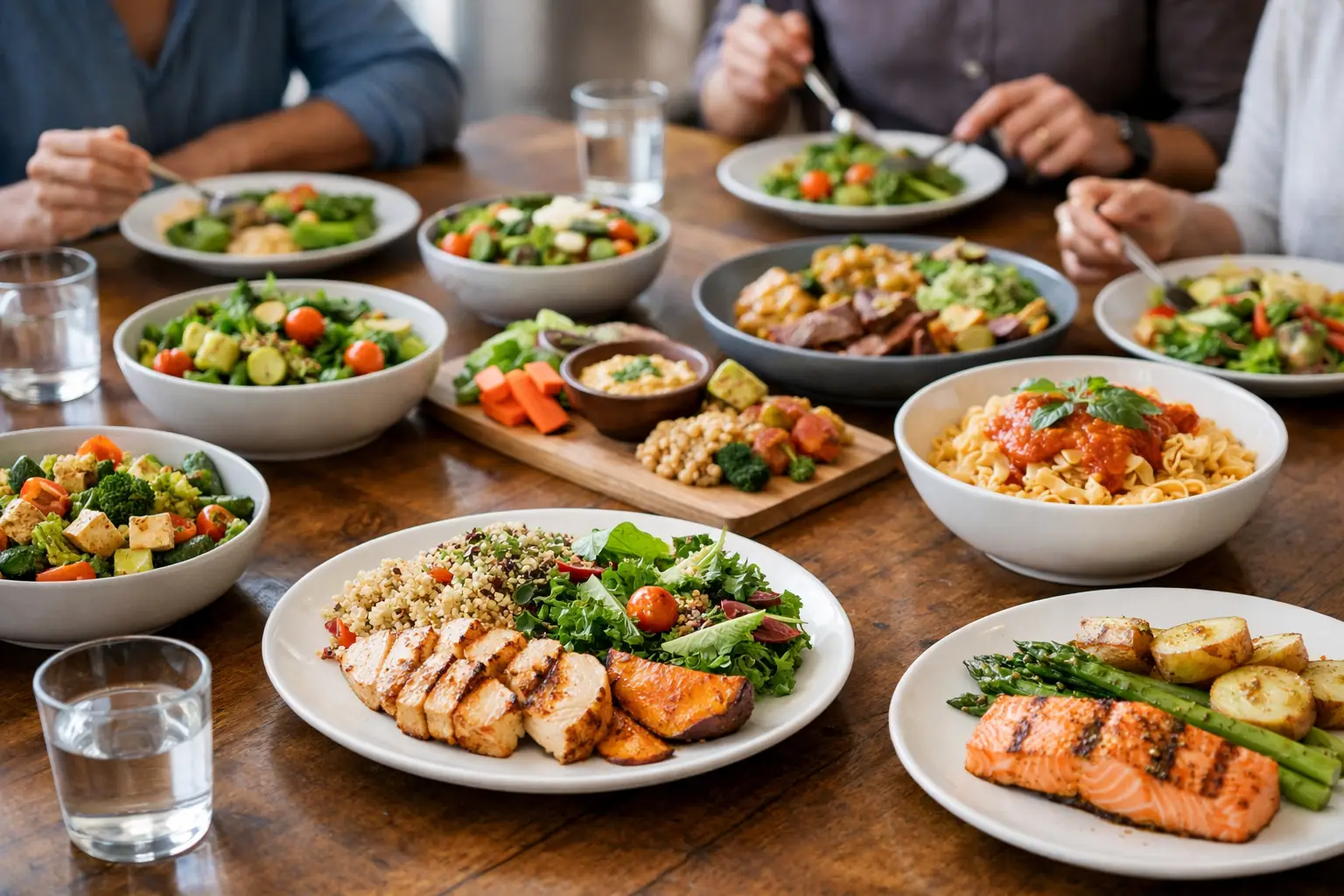
Picture the group text: one person wants a breakfast burrito, one eats vegan, one needs gluten-free, and one says, “I’m good with anything,” which is never actually true. If you’ve been hunting for a mixed diet group meal example that doesn’t end in side salads and disappointment, the good news is this – it’s absolutely possible to feed everyone well without making the meal feel like a compromise.
The trick is not trying to force one dish to do every job. A great group meal gives people choices, keeps the flavors fun, and makes sure nobody feels like the afterthought. That matters even more for brunch and lunch, where appetites, schedules, and dietary needs tend to show up all at once.
What makes a mixed diet group meal example actually work?
A solid mixed diet group meal example starts with a simple idea: build around overlap, not restriction. Instead of asking, “What can everybody eat?” ask, “What can we serve that gives everybody a real option?” Those are two very different questions.
If you only serve the most universally safe item, the meal gets boring fast. Fruit platters and plain greens have their place, but they’re not the reason people get excited to gather. A better move is to create a spread with a few clear lanes – one hearty plant-based option, one classic comfort-food option, one gluten-free friendly base, and a handful of sides or add-ons that let people customize.
That setup keeps the energy easy. Vegans don’t have to piece together a meal from garnish. Meat-eaters still get something satisfying. Gluten-free guests are not stuck interrogating every ingredient. Everybody gets to eat like they were actually invited on purpose.
A brunch-friendly mixed diet group meal example
Let’s make this practical. Say you’re feeding a weekend group of eight to ten people. You’ve got a mix of omnivores, vegetarians, one vegan guest, and one person avoiding gluten. Here’s a brunch spread that works without turning your table into a logistics conference.
Start with a breakfast sandwich and wrap station style setup. Put out scrambled eggs, roasted breakfast potatoes, sautéed veggies, avocado, salsa, shredded cheese, and a plant-based protein like seasoned tofu or a vegan sausage option. Then offer two wrap choices plus a gluten-free bowl option.
That one move solves a lot. Traditional eaters can build egg-and-cheese wraps or add meat if it’s available. Vegetarians can go heavy on eggs, veggies, and cheese. Vegan guests can build a tofu, potato, avocado, and salsa wrap or bowl. Gluten-free guests can skip the wrap and load up a bowl with the same ingredients.
Add a fruit platter and a side salad with dressing on the side, and suddenly the spread feels full instead of fragmented. If coffee drinks and smoothies are part of the mix, even better. Some guests want a full plate. Others are happy with a lighter combo and a great iced coffee.
The reason this works is flexibility. The meal still feels cohesive, but it doesn’t force everyone into the same order.
Why bowls beat one-size-fits-all catering
When you’re feeding a group with mixed preferences, bowls are the quiet heroes. They look generous, they travel well, and they adapt beautifully. A grain or potato base can support all kinds of toppings, which means fewer separate dishes and less confusion once the food hits the table.
A good bowl spread might include roasted potatoes or rice, greens, black beans, grilled chicken on the side, roasted vegetables, avocado, pico de gallo, shredded cheese, and a vegan sauce alongside a separate creamy dressing. That gives structure without boxing anyone in.
There is a trade-off, though. Bowls are practical, but if everything is too healthy-looking, the meal can lose that brunch joy. That’s why balance matters. Pair the build-your-own bowl setup with something a little more fun, like a tray of breakfast burritos cut in halves or a pastry platter with clearly labeled options. People love choice, but they also love food that feels a little celebratory.
The biggest mistakes groups make
Most mixed-diet meal fails come from good intentions and bad planning. One common mistake is assuming vegetarian and vegan are basically the same. They’re not. Cheese, eggs, and creamy sauces can make a vegetarian option totally off-limits for a vegan guest.
Another miss is treating gluten-free as a small detail. Even when someone is avoiding gluten by preference rather than medical necessity, they still appreciate having an option that feels intentional. A salad with croutons picked off is not the same as a meal designed to work for them from the start.
Then there’s the classic overcorrection – making the whole meal so cautious that nobody is excited. A mixed group does not need a bland group meal. It needs clear labeling, smart variety, and enough personality on the table that every guest finds something craveable.
How to build a spread people actually want to eat
Think in layers. Start with two anchors, usually one classic and one plant-forward. For brunch, that could mean breakfast sandwiches or burritos on one side, and a vegan wrap or tofu bowl option on the other. Then add sides that naturally fit multiple diets, like roasted potatoes, fruit, mixed greens, and a good salsa or hummus.
After that, check the meal for gaps. If the vegan option is also the gluten-free option, is it substantial enough on its own? If the gluten-free guest can only eat one item, can you add another easy win? If the meat-eaters have five options and everyone else has one, the balance is off.
Presentation matters, too. No one wants to feel like they got the backup meal. Put the plant-based and gluten-free items right into the main lineup, not off in a sad corner. When every option looks like part of the party, the whole meal feels more welcoming.
A lunch version for offices, family gatherings, or casual events
Brunch gets a lot of attention, but lunch may be where a mixed diet group meal example matters most. Office teams, family birthdays, school meetings, and low-key celebrations often include all kinds of dietary preferences, plus people who want food that’s easy to grab between conversations.
A strong lunch spread starts with wraps and sandwiches, but not only wraps and sandwiches. Include boxed or platter-style options with clear vegetarian and vegan choices, then back them up with salad bowls and gluten-free-friendly sides.
For example, you might serve a mix of classic turkey or chicken wraps, veggie wraps with hummus and roasted vegetables, a vegan grain bowl, and a gluten-free salad bowl with protein added on the side. Chips or potatoes can round things out, and cookies or a fruit tray can handle dessert without overcomplicating it.
This is where a cafe with range really shines. Places that already serve comfort food, vegan brunch, and gluten-free options tend to understand the assignment better than spots with one narrow menu lane. Stella Blue Bistro, for example, lives in that sweet spot where the menu can handle both the bacon-and-egg crowd and the plant-based crew without making it weird.
How much variety is enough?
Not every group needs ten separate dishes. In fact, too many options can create its own kind of chaos. For a group under twelve, three mains or main-style choices plus two to three sides is usually plenty. For a larger crowd, you can scale up, but the same rule holds – give people meaningful variety, not random extras.
It also depends on the occasion. If it’s a casual morning meeting, convenience matters more than abundance. If it’s a birthday brunch or weekend get-together, people will notice the experience more. In that case, a colorful spread with a mix of wraps, bowls, coffee, smoothies, and a few fun add-ons makes a bigger impression.
The vibe matters because food is social. The best mixed-group meals don’t just check dietary boxes. They make everyone feel relaxed enough to stop thinking about restrictions and start enjoying the table.
The real goal: no food drama
A great mixed diet group meal example is not about pleasing everyone perfectly. That’s a tough standard for any host, office manager, or friend trying to coordinate lunch. The real goal is simpler: make sure every person has a meal, not just a workaround.
When you build around flexible formats, generous portions, and clearly different options, the whole group eats better. No one has to apologize for needing something different. No one has to pretend a side dish is enough. And no one has to spend twenty minutes negotiating where to order from.
That’s the sweet spot – food with enough range to keep the peace, enough flavor to keep people happy, and enough personality to make the meal feel like more than a checkbox. The next time your group includes vegans, vegetarians, gluten-free guests, and classic brunch loyalists, don’t aim for the safest possible order. Aim for a table where everybody finds their favorite thing.
Leave a Reply