
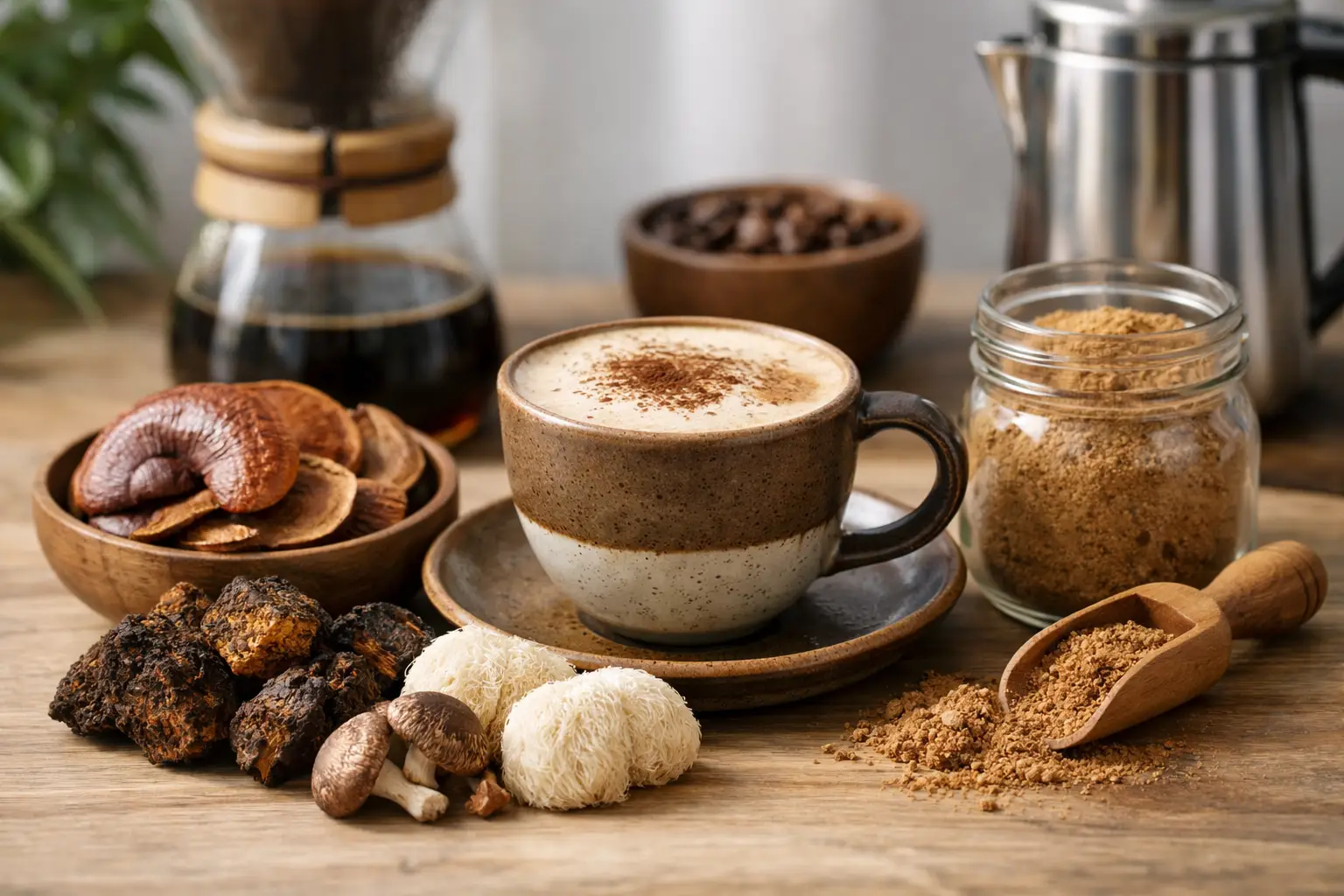
That second cup of coffee can feel like a brilliant idea at 8:30 a.m. and a personal betrayal by 11. If you love the ritual of coffee but not always the jitters, the crash, or the acidy aftermath, mushroom coffee drink benefits are probably what caught your eye in the first place. Fair question. Anything with the word mushroom in it sounds either genius or suspicious until you know what is actually in the mug.
Mushroom coffee is usually made with regular coffee plus extracts from functional mushrooms like lion’s mane, chaga, reishi, or cordyceps. This is not the same thing as tossing portobellos into a French press. The flavor is usually much closer to coffee than people expect – earthy, smooth, sometimes a little nutty, and often less sharp than a standard dark roast.
The real appeal is not magic. It is the possibility of a more balanced coffee experience. For some people, that means steadier energy. For others, it means less stomach drama, less afternoon shakiness, or a gentler caffeine habit that still feels cozy and familiar.
What are mushroom coffee drink benefits, really?
Most mushroom coffee drink benefits come down to two things – the mushroom extracts themselves and the fact that many blends contain less caffeine than regular coffee. That combination can change how the drink feels in your body, even if the taste still lands in coffee territory.
Functional mushrooms have been used in traditional wellness practices for a long time, and modern interest has grown because people want energy without feeling like a pinball machine. Still, results vary. Your sleep, stress level, caffeine tolerance, and the actual blend you buy all matter.
A gentler kind of energy
This is the big one. Many people switch because regular coffee hits hard and exits harder. Mushroom coffee often contains less caffeine per serving, so the lift may feel smoother and less dramatic.
That can be a win if you want to feel awake and functional without the racing-heart soundtrack. It can also help if you are sensitive to caffeine but not ready to break up with coffee entirely. The trade-off is obvious – if you love the full-force kick of a large cold brew, mushroom coffee may feel mild.
Lion’s mane and cordyceps are often featured in blends marketed for mental clarity and daytime energy. The science is still developing, so it is smart to keep expectations realistic. Think possible support, not superhero mode.
Focus without so much static
Some mushroom coffee fans say they feel more dialed in and less scattered. Part of that may come from drinking less caffeine, especially if high-caffeine coffee tends to make you alert but unfocused.
Lion’s mane gets the most attention here because it is commonly associated with cognitive support. That does not mean one mug will turn your inbox into a spiritual experience. It means the blend may help some people feel more even, especially during work mornings when you want concentration, not chaos.
If you are already sleeping badly, skipping breakfast, and stress-scrolling before 9 a.m., mushroom coffee will not fix the whole band. But it may play a nicer opening set than your usual brew.
It may be easier on your stomach
For people who love coffee but do not love what it does to their gut, this is one of the most practical mushroom coffee drink benefits. Some blends taste less acidic than regular coffee, and the lower caffeine content may also feel easier on digestion.
That said, not every product works the same way. Some mushroom coffees still use coffee beans as the base, so if you are very sensitive to acidity, you may need to try a few options before finding one that suits you. Add-ins matter too. Sweeteners, creamers, and sugar alcohols can turn a gentle drink into a whole different story.
Functional mushrooms bring their own appeal
Not all mushrooms in these blends are there for the same reason. That is where things get a little more interesting.
Reishi is often associated with calm and stress support, which is why some people prefer it later in the day rather than first thing in the morning. Chaga is known for its antioxidant content. Cordyceps is commonly linked to stamina and vitality. Lion’s mane gets the spotlight for focus and mental clarity.
This does not mean every label delivers meaningful amounts, and that is one of the biggest caveats. A trendy front panel can promise a lot. The real question is how much mushroom extract is included, whether it is fruiting body or mycelium, and whether the brand is transparent about sourcing and testing.
It can fit a lower-caffeine routine
A lot of people are not trying to quit caffeine. They just want a relationship with it that feels a little less dramatic. Mushroom coffee can be a practical middle ground.
If you are trying to cut back, switching one daily cup to mushroom coffee may help reduce your overall caffeine intake without giving up the comfort of a warm mug, the smell, and the morning ritual. That matters more than people admit. Habits stick when they still feel good.
For remote workers, students, parents, and anyone juggling a packed morning, that ritual can be half the point. You still get the cozy coffeehouse moment, just with a lower chance of feeling wired and weird before lunch.
The flavor is better than the name suggests
Let’s address the elephant in the café. No, it usually does not taste like mushroom soup. Most blends are roasted and balanced to keep the coffee profile front and center.
Some are earthy. Some are smooth and mellow. Some taste close enough to standard coffee that you would barely notice the difference with a splash of oat milk or your usual creamer. If you are used to bold diner coffee, you may find mushroom coffee softer and less bitter.
That makes it approachable for curious first-timers, especially people who want wellness-adjacent choices without feeling like they are drinking a science project.
It may support a steadier afternoon
The classic coffee cycle is familiar. Big lift, decent productivity, then a slide into irritability, hunger, or the urge to stare blankly at your screen. Because mushroom coffee is often lower in caffeine, some drinkers report a steadier feel later in the day.
This is not guaranteed, and it depends on what else you eat, how much sleep you got, and whether you are replacing a triple espresso with something gentler. But for people who tend to crash hard, it can be a more even ride.
That is especially useful if you want to enjoy a coffee drink with brunch or lunch and still feel like a functioning human a few hours later.
Who might like it most?
Mushroom coffee is not for everyone, but it makes sense for certain people. If regular coffee makes you jittery, if you want to scale back caffeine, or if you like trying functional ingredients without going full wellness cult, it is worth exploring.
It can also appeal to people who want more intentional drink choices. The same crowd that likes plant-based options, adaptogen lattes, smoothies with actual substance, and food that feels both fun and functional tends to get curious about mushroom coffee too. That overlap is real.
At a place like Stella Blue Bistro, where classic comfort and more alternative choices can sit at the same table, that kind of curiosity fits right in. Not everybody wants the same breakfast vibe, and honestly, that is the fun of it.
What to watch out for before you buy
There are a few reality checks worth keeping in your back pocket. First, mushroom coffee is often more expensive than regular coffee. Second, quality varies a lot. Some products are thoughtfully made. Others are basically coffee with fancy branding and a whisper of mushroom dust.
If you have mushroom allergies, medical conditions, or take medications, especially for blood pressure, blood sugar, or immune-related issues, check with a healthcare professional first. Functional ingredients can interact differently depending on the person.
And if you hate earthy flavors, do not force a love story. The best morning drink is still the one you actually enjoy and want to finish.
How to try mushroom coffee without committing your whole personality to it
Start simple. Try it in place of your second cup, not your sacred first one. Pay attention to how you feel about energy, focus, digestion, and taste for a week or two.
Choose a blend with clear labeling, realistic claims, and ingredients you recognize. If you want daytime support, lion’s mane or cordyceps blends are common starting points. If you want something more mellow, reishi may be more your speed. And if you usually take your coffee with milk or a dairy-free option, keep doing that. There is no bonus prize for suffering through a flavor profile you do not like.
The best reason to try mushroom coffee is pretty simple – it might make your daily routine feel better. Not trendier, not holier, just better. If your regular brew leaves you buzzing, crashing, or bargaining with your stomach, a gentler cup could be a smart switch. And if it is not your thing, no harm done. Your morning should work for you, not the other way around.
Leave a Reply