
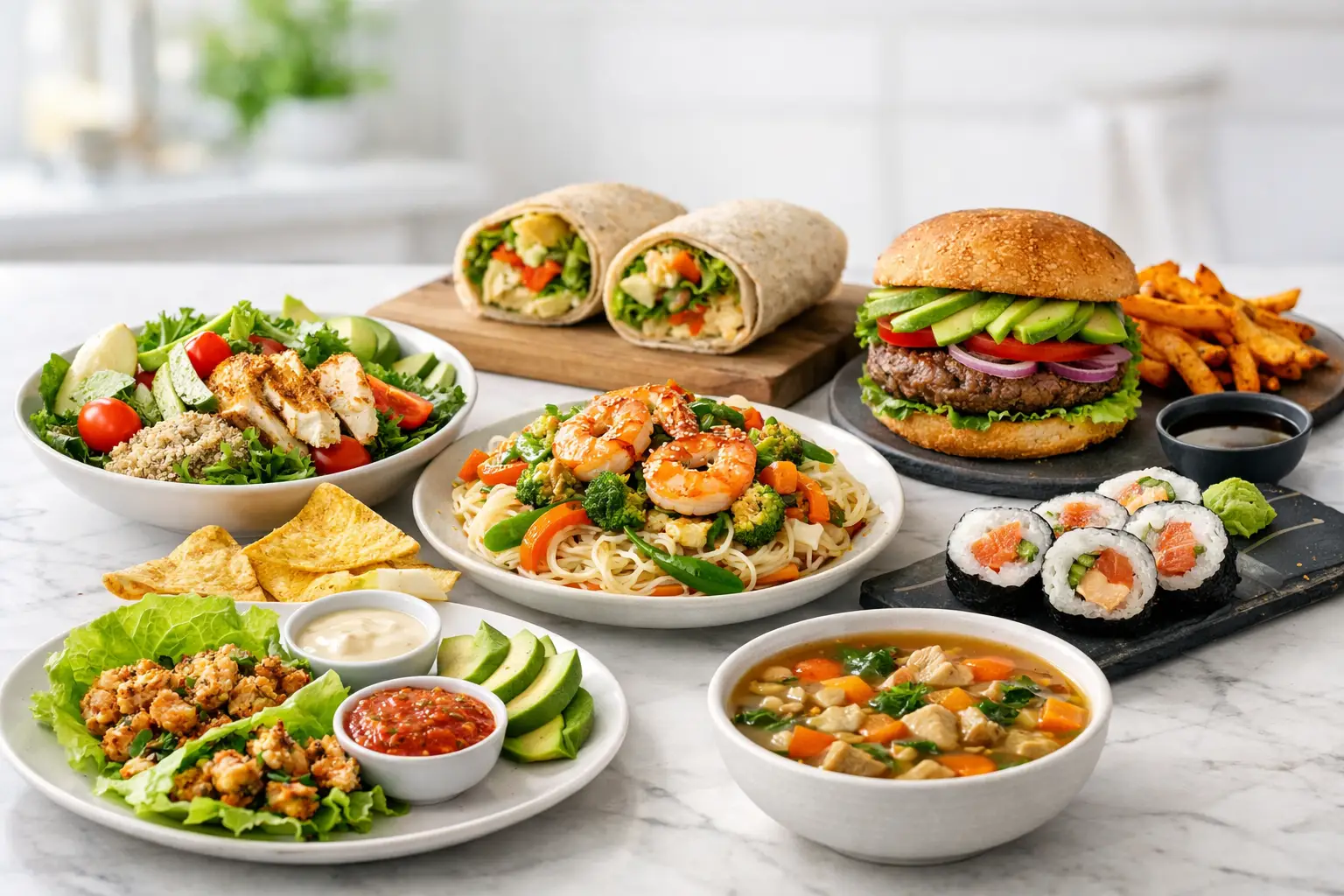
Lunch should not feel like a scavenger hunt through sad side salads and ingredient labels. The best gluten free lunch options bring real flavor, satisfying portions, and enough variety that everyone at the table can order what they actually want – no compromise, no cardboard-tasting substitutes.
Whether you are avoiding gluten because of celiac disease, sensitivity, or personal preference, a great lunch comes down to more than skipping bread. Think bright bowls, loaded salads, naturally gluten-free proteins, smart swaps, and a kitchen that takes questions seriously. Bonus points if the place has good coffee, great music, and a little color on the walls while you eat. 🌈
How to Spot the Best Gluten Free Lunch Options
The strongest gluten-free lunch menus start with foods that are delicious on their own, not dishes that have been stripped down until they are no fun. Rice bowls, egg dishes, roasted vegetables, beans, grilled proteins, smoothies, and fresh salads can all be naturally gluten-free foundations when prepared thoughtfully.
Then comes the good stuff: bold sauces that are checked for hidden wheat, crunchy toppings that do not rely on breadcrumbs, and bread or wrap alternatives that make sense for the dish. A gluten-free lunch should still have contrast – something creamy, something crisp, something tangy, something filling. That is how you leave lunch happy instead of hunting for snacks at 3 p.m.
For people with celiac disease or a serious allergy, the details matter even more. Ask whether ingredients are prepared separately, whether grills and fryers are shared, and whether staff can accommodate cross-contact concerns. “Gluten-free” can mean different things at different restaurants, so a quick conversation before ordering is always a smart move.
Build a Lunch That Actually Holds You Over
A solid midday meal usually needs a balance of protein, fiber, healthy fats, and carbohydrates. Gluten-free does not automatically mean lighter, healthier, or more filling. A plate of fries may be gluten-free in theory, but it is not always the fuel you want before an afternoon meeting, class, school pickup, or a long drive down Route 25A.
Go big on bowls
Bowls are a lunch hero for a reason. Start with a base like rice, quinoa, greens, or roasted sweet potato. Add eggs, chicken, turkey, tofu, beans, or another protein source, then pile on vegetables, avocado, salsa, herbs, and a sauce you have confirmed works for your needs.
The beauty is in the mix-and-match energy. A warm grain bowl can hit the comfort-food zone on a chilly Long Island day, while a crisp greens-and-protein bowl feels right when the sun is out and you want to keep things lighter. Either way, bowls make it easy to skip gluten without feeling like you are ordering from a separate menu universe.
Choose salads with some swagger
A good gluten-free salad is not a pile of lettuce with a lonely tomato rolling around on top. Look for salads with substantial ingredients: roasted vegetables, chickpeas, grilled chicken, hard-boiled eggs, avocado, seeds, fruit, cheese, or crunchy gluten-free toppings.
The watch-out is dressing. Some bottled dressings, marinades, and specialty sauces can contain wheat-based ingredients, so ask before you drizzle. Croutons are another easy one to skip, but make sure the kitchen understands that simply picking them off after plating is not the same as preparing the salad without them.
Make wraps work for you
Wraps are one of lunch’s greatest hits, especially when you need something handheld for takeout or a desk lunch between calls. The key is finding a restaurant that offers a gluten-free wrap or can turn the fillings into a bowl or salad when a safe wrap is not available.
A savory filling still does most of the heavy lifting: grilled vegetables, eggs, chicken, turkey, beans, hummus, cheese, greens, and zippy sauces can create a lunch with plenty of personality. If the gluten-free wrap itself is available, ask how it is warmed and handled. A shared press or prep surface can be a concern for some guests.
Do not sleep on breakfast-for-lunch
Eggs are naturally gluten-free, versatile, and wildly underrated after noon. An omelet loaded with vegetables and cheese, a breakfast bowl with eggs and potatoes, or a burrito-style bowl without the flour tortilla can deliver the kind of comfort that makes a weekday feel less weekday-ish.
Be mindful of the extras. Toast, pancakes, hash browns, sausage, and sauces may have ingredients or preparation methods that need checking. But with a few clear questions, breakfast-style lunch can be a joyful, protein-packed move.
Gluten-Free Ordering Without the Guesswork
The best ordering experience is clear, calm, and specific. You do not need to deliver a courtroom speech about your lunch, but giving staff useful information helps them guide you toward appropriate choices.
If you have celiac disease, say so directly and ask about cross-contact procedures. If you are gluten-sensitive or choosing to avoid gluten, let the team know that too. Those are different needs, and a good restaurant will not pretend otherwise.
A few questions can make all the difference:
- Is the item made with gluten-free ingredients?
- Does the dish share a fryer, grill, toaster, or prep area with gluten-containing foods?
- Are the sauce, seasoning blend, and dressing gluten-free?
- Can the meal be served as a bowl, salad, or gluten-free wrap instead?
For takeout and delivery, add your dietary request clearly in the order notes, then call if the app does not provide enough room for important details. This is especially helpful with modifications like no croutons, gluten-free wrap requested, sauce on the side, or cross-contact concerns.
The Trade-Offs Worth Knowing
Gluten-free bread and wraps can be fantastic, but they may be smaller, more delicate, or a little more expensive than their wheat-based cousins. That is not necessarily a bad deal – it just means a bowl or salad may offer more bang for your lunch buck if you are especially hungry.
Fried foods are another depends-on-the-kitchen situation. Even if the food itself has no gluten ingredients, a shared fryer can create cross-contact. For someone with celiac disease, that may rule out fries, chips, or crispy add-ons unless the restaurant uses a dedicated fryer. For others avoiding gluten by preference, the decision may feel different.
And while gluten-free packaged snacks can be convenient, they are not automatically nutrient-packed. The most satisfying lunches tend to lean on whole-food ingredients first, then use specialty gluten-free products as a helpful option rather than the whole meal.
A Lunch Table for Mixed-Diet Crews
The real magic happens when nobody has to split up because one friend is vegan, another needs gluten-free food, someone wants a classic sandwich, and somebody else is craving a smoothie. A flexible café menu makes group lunch feel easy instead of like a logistics meeting.
That is the neighborhood-table energy we love at Stella Blue Bistro: food with enough range for different eaters, plus the kind of colorful, music-soaked atmosphere that gives lunch a little more soul. A gluten-free guest should be able to choose a flavorful bowl, salad, smoothie, or modified wrap while everyone else follows their own cravings.
Bring Better Gluten-Free Lunches to the Office
For team lunches, school events, casual meetings, or family gatherings, gluten-free planning should happen before the food arrives. Ask about labeling, separate packaging, ingredient lists, and whether gluten-free items can be kept apart from bread-heavy platters. It saves everyone from the awkward game of “Which tray is safe?”
Catering is especially useful when the menu includes a mix of bowls, salads, proteins, vegetables, and sauces served separately. That format gives guests room to build a plate that works for them without making dietary accommodations feel like an afterthought.
The best lunch is the one that lets you get on with your day feeling full, included, and genuinely excited about what you ate. Ask the questions, choose the flavors you love, and make room for a midday meal with some real groove. ✌️
Leave a Reply