
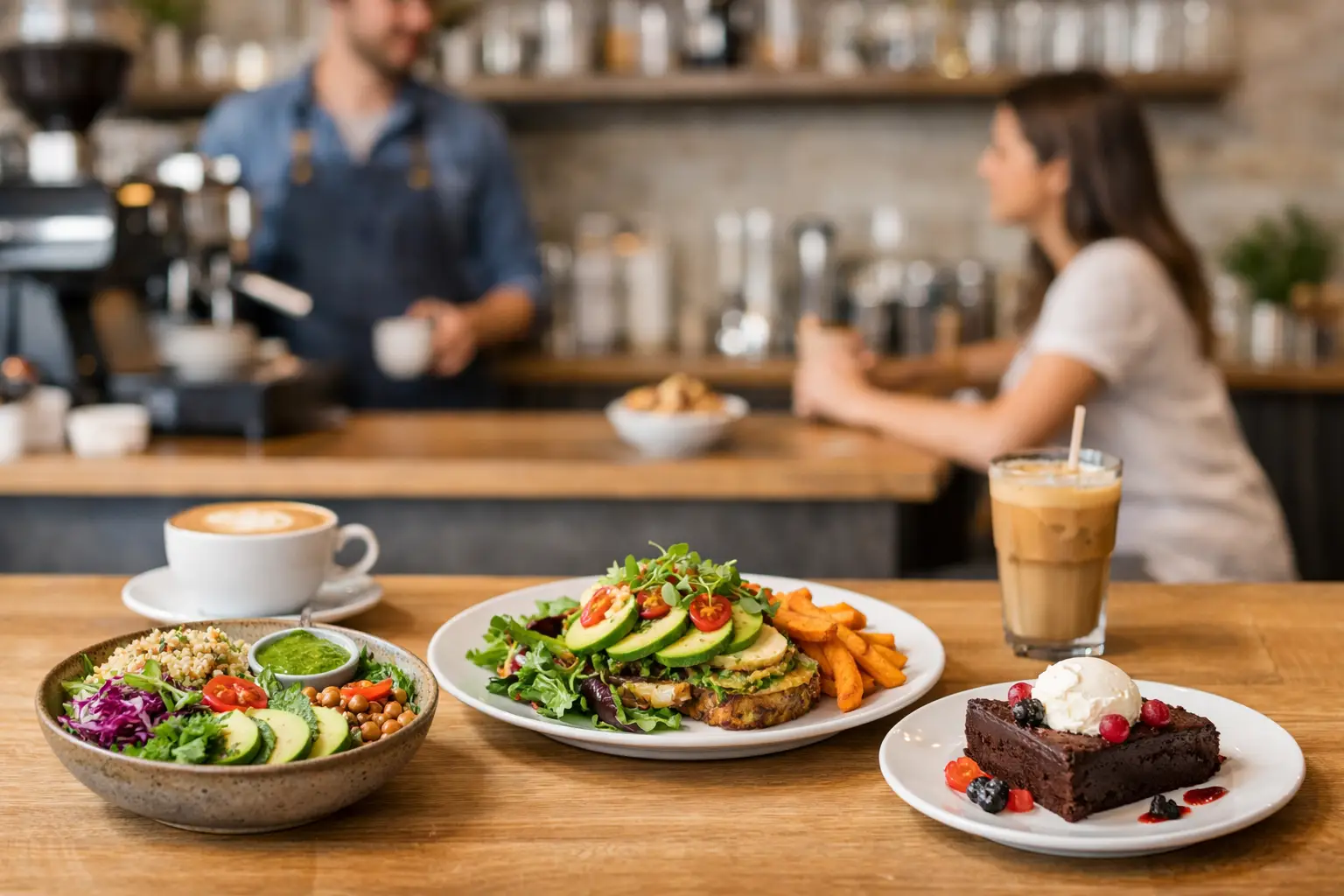
You know the group text. One friend is gluten-free, one is vegan, one is avoiding dairy, and somebody else just wants a stacked breakfast sandwich and a large iced coffee. That is usually when the big question lands – can cafes accommodate dietary restrictions without turning brunch into a negotiation? The short answer is yes, but the better answer is that the good ones do it with intention, not guesswork.
A cafe does not need a 12-page menu to make people feel welcome. It needs range, clarity, and a kitchen that understands the difference between a preference, an intolerance, and an allergy. When that happens, breakfast and lunch stop feeling like a compromise and start feeling like what they should be – fun, easy, and actually delicious.
Why can cafes accommodate dietary restrictions better than people think
A lot of people still assume dietary-friendly food means limited food. Dry toast for the gluten-free guest. A sad side salad for the vegan. Black coffee for the dairy-free friend. That old-school cafe energy is fading fast, and honestly, good riddance.
Modern cafes are built for customization. Breakfast sandwiches can be adjusted. Wraps can be reworked. Bowls can be made without dairy, meat, or gluten-heavy ingredients. Smoothies can swap bases. Coffee drinks can switch milks. When a menu is designed with flexible building blocks, accommodating different diets becomes part of the rhythm, not some dramatic special request at the register.
That flexibility matters most in real life, where groups rarely eat the same way. Families, coworkers, weekend brunch crews, and couples often want one place that works for everybody. The cafe that can deliver pancakes for one person, a vegan burrito for another, and a gluten-free option for someone else wins the day.
What makes a cafe actually good at dietary accommodations
Not every cafe that says yes is equally prepared. Some mean, “Sure, we can remove the cheese.” Others have put real thought into ingredients, substitutions, and kitchen communication. There is a big difference.
A cafe that accommodates dietary restrictions well usually does a few things right from the start. The menu is readable. Dietary-friendly items are not buried or treated like afterthoughts. Plant-based options have substance. Gluten-free choices go beyond one token item. Staff can explain what is in a dish without looking panicked.
The strongest menus are built so substitutions make sense. Think egg dishes that can be paired with different breads, bowls that can flex around proteins and toppings, or smoothies that can skip dairy without losing flavor. If every change breaks the dish, the menu was never built for inclusivity in the first place.
There is also a tone thing here. People with dietary restrictions are tired of feeling high-maintenance for asking simple questions about what they are eating. A welcoming cafe makes those questions feel normal. No eye rolls. No weird pauses. Just clear answers and options that still sound craveable.
Can cafes accommodate dietary restrictions for allergies too?
This is where nuance matters. If the issue is a preference or lifestyle choice, cafes often have a lot of room to work with. If the issue is an allergy, the answer depends on the kitchen setup, ingredient handling, and staff training.
A cafe can offer gluten-free bread, for example, but if it is toasted on the same surface as regular bread, that may not work for someone with celiac disease. A smoothie can be made without dairy, but if the blender is also used for ingredients containing allergens, that is worth knowing. Nut milks, shared prep space, and fast-paced kitchen lines all create real considerations.
That does not mean cafes cannot serve guests with allergies. It means honesty is part of hospitality. The best cafes are upfront about what they can do confidently and where cross-contact may be possible. Clear communication beats overpromising every single time.
The difference between substitution and safety
This is where customers and cafes both benefit from being direct. Swapping an ingredient is easy. Guaranteeing zero cross-contact is much more complex. A thoughtful cafe respects that distinction instead of blurring it.
If you are ordering with an allergy, mention it clearly and early. If you run a cafe, train your team to respond carefully, not casually. That one shift in communication can turn a stressful meal into a comfortable one.
Menu design is where accommodation starts
People often think dietary accommodations happen at the counter, but they really start long before that. They start when a menu is built.
A smart cafe menu gives people actual choices within different diets. That could mean vegan breakfast items that are filling enough to stand on their own, gluten-free options that feel intentional, dairy-free smoothie builds that still taste great, or vegetarian wraps that are more than a pile of lettuce pretending to be lunch.
It also helps when the menu language is specific. “Vegetarian” should mean vegetarian. “Vegan” should not require a scavenger hunt. “Gluten-free” should be labeled thoughtfully, with room for staff guidance when needed. Nobody wants to play detective over brunch.
This is one reason cafes with a broad mix of breakfast, lunch, coffee, and smoothie offerings often perform well for mixed dietary groups. There are simply more ways to say yes.
The best cafes make flexibility feel normal
There is a big vibe difference between a place that tolerates dietary requests and a place that welcomes them. You can feel it right away.
At a cafe that gets it, ordering feels easy. Someone wants oat milk in their latte? Done. Someone needs a meat-free brunch option with real flavor? No problem. Someone is looking for gluten-free lunch choices that do not feel like backup plans? That is already part of the flow.
That ease matters because hospitality is not just about what is technically possible. It is about making people feel like they belong at the table. A neighborhood spot with personality should be able to serve the classic breakfast crowd and the plant-based crowd without making either one feel like the odd one out.
That is part of what makes inclusive cafes such a go-to for friend groups and families. Nobody has to split up. Nobody has to settle. Everyone gets to order something they are actually excited to eat.
Where cafes can struggle
Let us keep it real – there are limits.
Some cafes have tiny kitchens. Some have menus built around a narrow style of food. Some can offer substitutions but not full allergy-safe prep. Others may have a few vegan or gluten-free items, but not enough variety for repeat visits.
There is also the issue of execution. A menu can look flexible on paper, but if staff are not trained or the kitchen is slammed, mistakes happen. That is why consistency matters as much as variety. Guests remember whether a cafe handles their needs smoothly, not just whether the menu had the right label online.
This is also where local cafes can stand out from bigger, more generic spots. Independent places often have more room to build real relationships with regulars, answer questions, and refine their menus based on what the neighborhood actually wants. When a cafe listens to its community, accommodation becomes more natural.
What customers should look for before ordering
If you are trying to figure out whether a cafe can work for your diet, the clues are usually right in front of you. A strong menu will show variety instead of one lonely alternative item. Descriptions will be clear. Staff will answer questions confidently. The overall attitude will feel open, not annoyed.
It is also a good sign when a cafe serves a genuinely mixed crowd. If you see people ordering coffee, breakfast burritos, vegan brunch, smoothies, wraps, and gluten-free options all in the same room, that usually tells you the place knows how to feed people with different needs and tastes.
And yes, atmosphere counts too. A cafe that feels relaxed and community-driven tends to make ordering easier. When the vibe is warm, people are more comfortable asking for what they need. Food tastes better when nobody feels awkward.
So, can cafes accommodate dietary restrictions?
Absolutely – when they treat inclusivity like part of good hospitality, not a side task. The best cafes do not just remove ingredients and call it a win. They create menus, kitchen habits, and ordering experiences that make more people feel welcome.
That is how a neighborhood cafe becomes the place you can count on, whether your table wants classic comfort food, plant-based brunch, dairy-free drinks, gluten-free options, or some glorious mix of all of the above. And when a cafe gets that balance right, everybody leaves happy, caffeinated, and already talking about the next visit.
Leave a Reply