
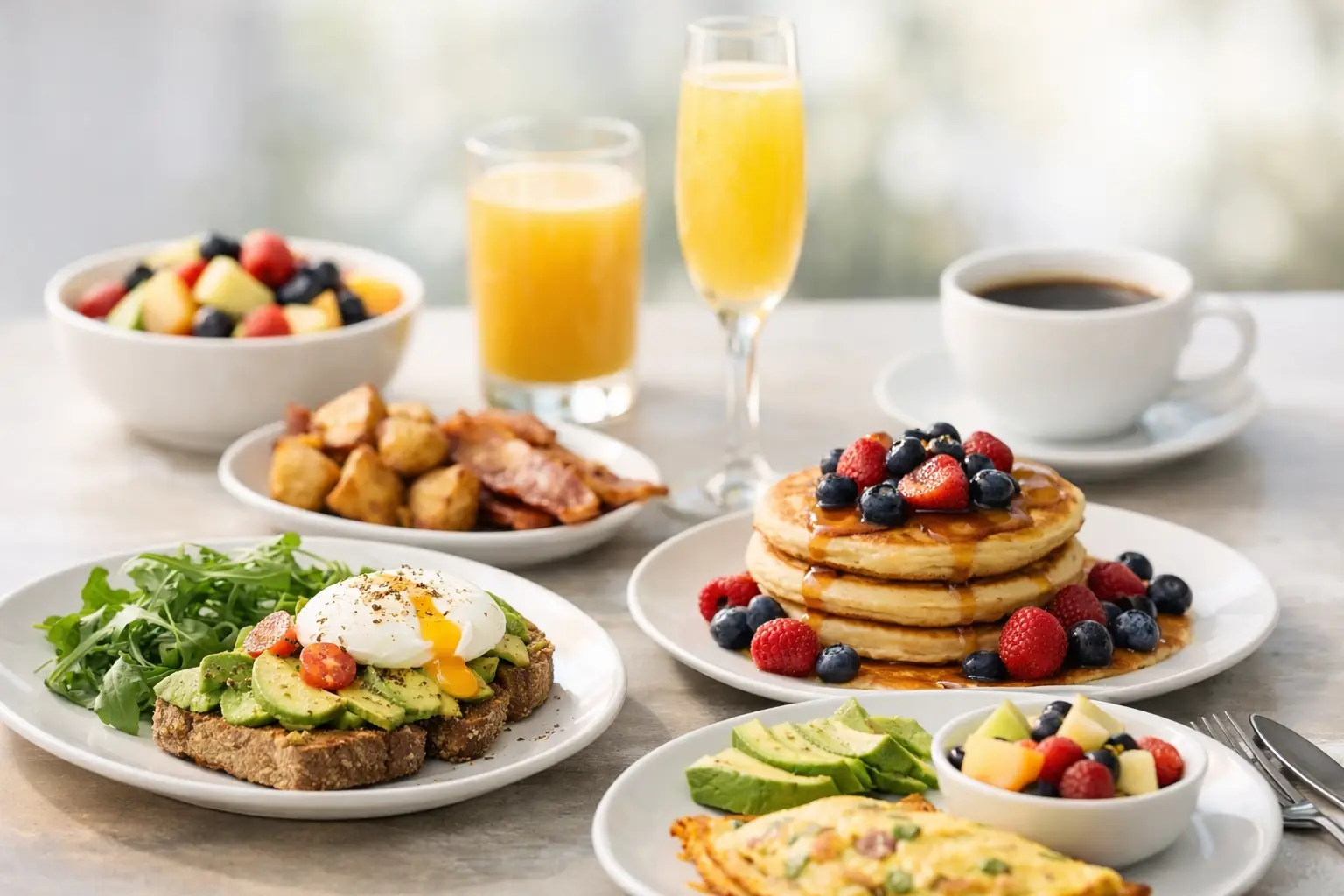
Brunch gets a lot less fun the second someone at the table has to play detective with the menu. Toast looks innocent until it shares a griddle. Potatoes sound safe until seasoning or fryer rules get weird. A good gluten free brunch guide should make the whole thing feel easier – not like a pop quiz before coffee.
That is really the goal: brunch that still feels relaxed, social, and worth lingering over. Whether you are fully gluten-free, avoiding gluten by preference, or planning for a table with mixed diets, the best move is not just finding one safe item. It is knowing how to read a menu, how to ask smart questions, and how to build an order that feels satisfying instead of like the backup plan.
What makes a good gluten free brunch guide?
A useful guide starts with a simple truth: gluten-free brunch is not one category of food. It can mean eggs and breakfast potatoes, smoothie bowls, salad-style lunches, breakfast burritos reworked in a bowl, or sandwiches made possible with the right bread. Some spots offer dedicated gluten-free options. Others have flexible kitchens that can adapt dishes. The difference matters.
That is why brunch is both easy and tricky. Easy, because many breakfast foods are naturally gluten-free. Tricky, because brunch menus also love pancakes, biscuits, wraps, breaded proteins, pastries, soy sauce-based marinades, and shared prep spaces. You are not just scanning ingredients. You are reading the whole setup.
The best gluten-free brunch experience usually comes from places that already think inclusively. If a café is comfortable serving classic comfort food, vegan dishes, smoothies, bowls, and custom orders side by side, chances are better that they understand how people actually eat. Mixed groups do not want one person stuck with plain eggs while everyone else gets the fun stuff.
How to read a brunch menu without overthinking it
Start with the naturally gluten-free anchor items. Eggs, fruit, yogurt, avocado, greens, black beans, roasted vegetables, and many breakfast meats can be good starting points. From there, ask what is added, swapped, or cooked nearby.
The first thing to watch is obvious gluten: bread, wraps, pancakes, waffles, French toast, granola, flour tortillas, and anything labeled crispy or breaded. The second thing is less obvious: sauces, gravies, soup bases, seasoning blends, and oat-based toppings that may not be certified gluten-free.
Then there is the kitchen reality. A menu may list gluten-free bread or bowl options, which is great, but the better question is whether staff can guide you on cross-contact. Shared toasters, shared fryers, and busy flat-tops can change the answer fast. That does not mean you need to interrogate the server like you are solving a brunch crime. It just means a couple of clear questions can save you a rough afternoon.
The safest brunch picks, and where it depends
Egg-based plates are often the easiest place to begin. Omelets, scrambles, and egg bowls can work well when you confirm fillings and skip toast unless there is a gluten-free substitute. Potatoes can be excellent, but only if they are not coated, seasoned with hidden flour, or fried with breaded foods.
Breakfast bowls are usually a strong move because they cut bread out of the equation without cutting flavor. Think eggs, greens, avocado, beans, salsa, roasted veggies, and a protein if you want one. If a burrito sounds great, see whether the same fillings can be turned into a bowl. That swap keeps the spirit of the dish without the wheat tortilla.
Smoothie bowls can also be a solid choice, especially for people who want something lighter. The catch is toppings. Granola is the usual troublemaker, and some crunchy add-ons are not as gluten-free as they look. Ask before you go all in.
Sandwiches are more of an it depends situation. If a spot offers gluten-free bread and understands prep precautions, great. If not, the sandwich fillings may still work in a bowl, salad, or plate format. Sometimes the best order is not the menu item exactly as written. It is the version that keeps all the good parts and leaves the gluten behind.
A gluten free brunch guide for mixed tables
The hardest brunch reservation is not for one gluten-free diner. It is for a group where everyone wants something different, nobody wants a fuss, and at least one person is hungry enough to become dramatic before the coffee lands.
This is where flexible menus shine. A café with wraps, bowls, breakfast sandwiches, vegan options, smoothies, and lunch plates has more room to make brunch work for everybody. One person gets a hearty sandwich, another orders a plant-based bowl, another goes sweet with fruit and yogurt, and the gluten-free diner gets an actual meal rather than a side quest.
Good brunch spots understand that dietary needs are social, not just individual. People want to celebrate birthdays, catch up after a long week, meet for coffee, or grab takeout for the park. When a menu can handle gluten-free requests without making them feel inconvenient, the whole group relaxes. That matters more than people admit.
What to ask before you order
You do not need a script, but a few smart questions go a long way. Ask whether there are dedicated gluten-free options or if dishes can be modified. Ask about gluten-free bread, wraps, or bowl substitutions. Ask whether potatoes or fried items use a shared fryer. Ask whether toast is prepared in a separate toaster and whether the kitchen can take extra care with cross-contact.
The tone matters too. Friendly, direct questions usually get the best answers. If the staff sounds confident and specific, that is a good sign. If answers are vague or rushed, keep your order simple. Eggs, fruit, and a customized bowl are often easier to control than a heavily built dish with lots of sauces and crunchy toppings.
If you are ordering online, read item descriptions carefully and use the customization notes when available. Digital ordering is convenient, but it can hide important details if the menu is too streamlined. When in doubt, a quick call beats guessing.
Flavor still matters – a lot
Nobody wants a safety-first brunch that tastes like compromise. The good news is gluten-free does not have to mean boring. Rich egg dishes, smoky breakfast meats, bright salsas, creamy avocado, sharp cheese, fresh herbs, roasted vegetables, and strong coffee all bring plenty of personality without relying on wheat.
Texture is usually what people miss most. Crunchy potatoes, crisp greens, toasted gluten-free bread, or seeds and nuts on a bowl can help a dish feel complete. Sweet brunch fans can lean into fruit, yogurt, nut butters, cinnamon, and whipped toppings where appropriate. Savory people can build around heat, acid, and protein.
This is where a spot with actual brunch energy stands out. The best places are not treating gluten-free as a box to check. They are making food people crave, then building in enough flexibility so more diners can join the party. That is a much better vibe than one lonely gluten-free muffin under a cake dome.
Planning ahead for weekends, takeout, and catering
Weekend brunch can get chaotic fast. If you know you need gluten-free options, planning ahead helps. Look at the menu before peak hours. Decide on one or two backup orders. If you are meeting a group, choose a place known for variety so the conversation stays on music, gossip, and second coffees instead of menu panic.
Takeout deserves a little extra attention because substitutions can get missed in the rush. Double-check notes before submitting the order, especially for bread swaps and sauce removals. If you are feeding a group, label items clearly once they arrive. Gluten-free brunch gets much less magical when everyone’s sandwiches start migrating across the table.
Catering is its own category. For office brunches, baby showers, family mornings, and casual gatherings, gluten-free options should be built into the order from the start, not tacked on as an afterthought. Bowls, fruit platters, egg trays, salads, and clearly separated gluten-free bread options usually work better than trying to retrofit a pastry-heavy spread.
At a place like Stella Blue Bistro, where the menu already leans into comfort food, bowls, vegan-friendly options, and easy ordering, that flexibility is a real advantage. It lets brunch stay fun, colorful, and low-stress, which is exactly what brunch should be.
The real win of a gluten free brunch guide
The point of a gluten free brunch guide is not perfection. It is confidence. It is knowing what to look for, what to ask, and how to order something you are actually excited to eat. Sometimes that means a straight-up safe classic. Sometimes it means a custom bowl with enough flavor to wake up the whole table.
Brunch should still feel like a treat, even when you have dietary limits in the mix. A little menu awareness, a little kitchen communication, and a place that knows how to feed real people goes a long way. Then you can get back to the important part: hot coffee, good company, and absolutely zero sad desk-lunch energy before noon.
Leave a Reply