
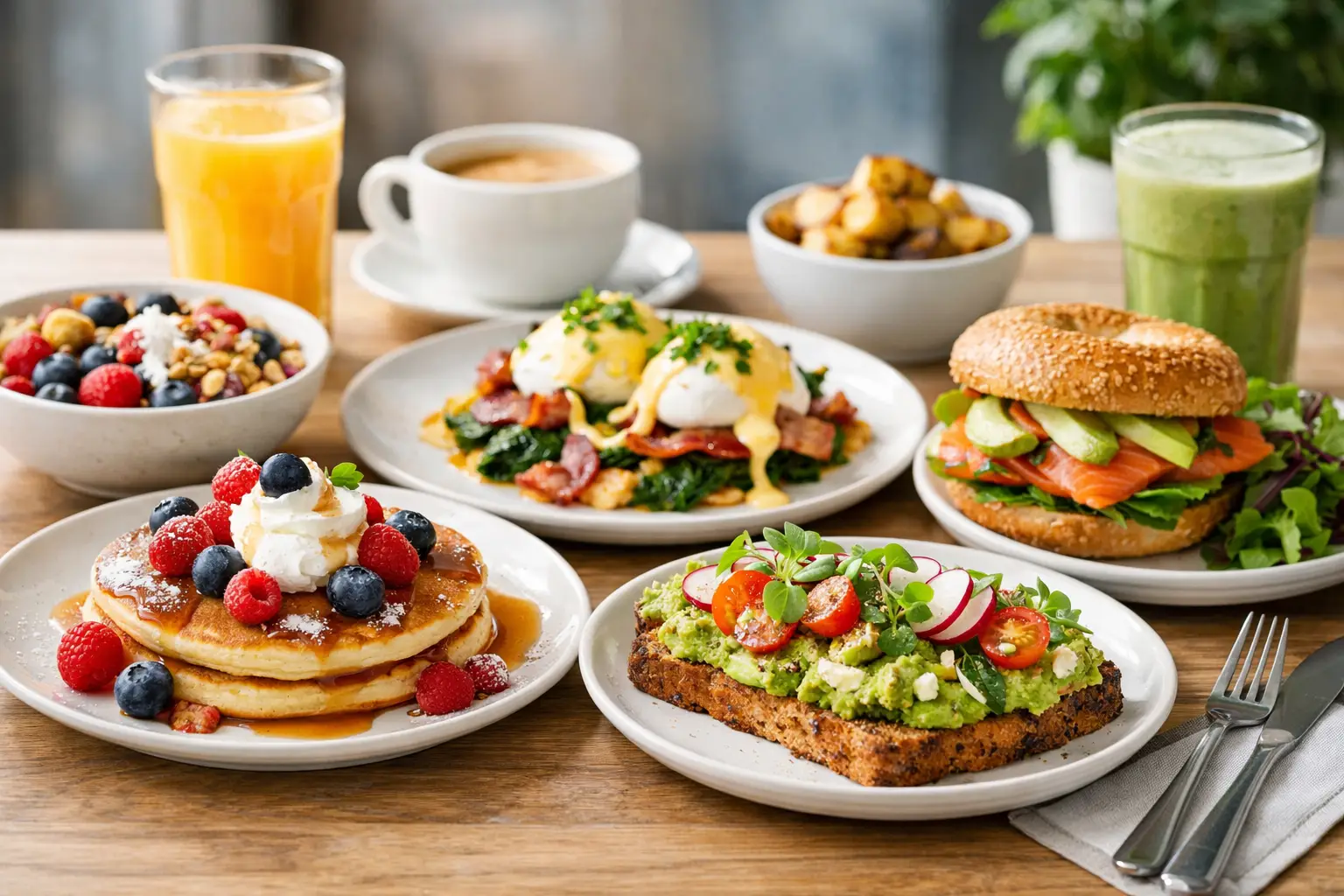
That moment when everyone’s excited about brunch and one person has to start interrogating the menu is a buzzkill. A good gluten free cafe menu guide changes that fast. It helps you spot what is actually safe, what only sounds safe, and what can still bring big breakfast energy without the side of guesswork.
At a great café, gluten-free ordering should feel like ordering, not solving a puzzle. You should be able to scan the menu, ask a couple smart questions, and land on something that feels like a real meal – not a backup plan. That matters even more in a brunch spot, where toast, wraps, pancakes, and pastries tend to dominate the page.
What a good gluten free cafe menu guide should actually do
Some menu guides are just labels slapped next to a few dishes. Helpful? A little. Complete? Not always. A real gluten free cafe menu guide should make the whole menu easier to understand, including where gluten usually hides, which items can be modified, and where cross-contact may be a concern.
That last part matters. Gluten-free diners are not all dealing with the same level of sensitivity. Someone choosing gluten-free because they feel better without it may be comfortable with more flexibility. Someone with celiac disease needs much tighter handling, clean prep surfaces, and staff who understand that a breadcrumb is not a minor detail. It depends on the diner, so the menu and the team both need to be clear.
The best cafés treat gluten-free choices like part of the main event. That means substantial bowls, breakfast plates, salads, smoothies, egg dishes, and sandwich options made with proper substitutions when available. Nobody wants to be stuck with plain fruit while the rest of the table is living their best burrito life.
Gluten free cafe menu guide basics for breakfast and lunch
If you are scanning a café menu with gluten on your mind, start with the naturally safer sections. Egg plates, veggie bowls, salads, yogurt-based items, smoothies, and coffee drinks are often the easiest place to begin. But easier does not mean automatic.
Toast is the obvious issue, but it is rarely the only one. Breakfast potatoes may share fryer space with breaded items. Omelets can be fine on paper, then arrive with a side of toast unless you request otherwise. Oats can be a gray area unless they are certified gluten-free. Granola, sauces, soups, veggie burgers, and even spice blends can sometimes contain gluten where you did not expect it.
For lunch, wraps and sandwiches usually need the most attention. If a café offers gluten-free bread or wraps, great – but ask how they are stored and prepared. A fresh gluten-free roll loses some of its magic if it is sliced on the same board as regular sourdough five seconds earlier. Grain bowls, protein bowls, and salad builds are often simpler to customize and can be more reliable for diners who need extra caution.
The menu items that usually work best
Egg-based breakfasts are often the all-star move. Scrambles, omelets, and breakfast bowls can be built around ingredients that are naturally gluten-free, like eggs, vegetables, avocado, cheese, beans, and breakfast meats. The trick is making sure add-ons like sausage, home fries seasoning, and sauces are checked too.
Bowls deserve more love in the café world. They are flexible, filling, and easier to customize than stacked sandwich builds. A breakfast bowl with eggs, roasted vegetables, potatoes, black beans, salsa, and avocado can hit every brunch note without needing bread to carry the show. The same goes for lunch bowls built with greens, grains that are naturally gluten-free, proteins, and house-made dressings that have been vetted.
Salads can also pull more weight than people think, especially when cafés stop treating them like an afterthought. Add grilled chicken, roasted veggies, chickpeas, hard-boiled eggs, or a bright scoop of tuna or chicken salad, and suddenly lunch has some backbone. Just watch the crunchy toppings, croutons, and dressings.
Smoothies, coffee drinks, and fresh juices are usually easy wins, though café specials sometimes include cookie crumbles, malt powders, or flavor add-ins that deserve a second look. If you are ordering for a group, these are often the safest universal add-ons because they satisfy different diets without creating a lot of kitchen complexity.
Where gluten hides when the menu looks safe
Here is where brunch gets sneaky. The menu says “bowl” and you relax. Then the crispy onions, soy-based glaze, flour-thickened sauce, or shared grill complicates the story. Gluten can hide in marinades, gravies, dressings, soups, breaded proteins, imitation meats, and fried sides.
Even the classics can surprise you. Some scrambled egg mixes at certain restaurants contain pancake batter or fillers, though that is less common at quality cafés making things to order. Some hash browns are coated for extra crispness. Some veggie burgers rely on wheat-based binders. Oat milk in coffee drinks is usually fine from a gluten standpoint, but flavored syrups and seasonal add-ins still deserve a quick check.
This is why a solid guide is not just a list of approved dishes. It is a map of likely problem spots. Once you know where gluten tends to hide, ordering gets much less stressful and a lot more normal.
How to order without making it awkward
You do not need a dramatic speech at the counter. You need a few clean, specific questions. Ask whether the item can be made gluten-free, whether the café has a designated gluten-free bread or wrap option, and how the kitchen handles prep for gluten-sensitive orders. If you need strict avoidance because of celiac disease, say that clearly.
Most good café teams would rather answer direct questions than remake an order later. A simple heads-up gives them room to change gloves, use clean surfaces, skip risky garnishes, or suggest a better option altogether. That is not high maintenance. That is smart brunching.
There is also a difference between a menu with gluten-free options and a kitchen built for very sensitive diners. Both can be useful, but they are not the same promise. If the café is honest about that, it is a good sign. Clarity beats vague reassurance every time.
Why the best cafés make gluten-free feel fun
Nobody goes out to breakfast hoping for a lecture and a dry rice cake. The best gluten-free café experience still feels generous, colorful, and a little indulgent. Think breakfast sandwiches on gluten-free bread that actually tastes good, burrito bowls with all the good stuff piled high, loaded salads that eat like a full lunch, and smoothies that feel more like a treat than a compromise.
That is where vibe matters too. A café that welcomes mixed-diet groups without making anyone feel like the difficult one earns loyalty fast. One person wants a classic bacon-and-egg breakfast, another wants a vegan wrap, someone else needs gluten-free, and the whole table still gets to eat together without turning brunch into a negotiation. That is the sweet spot.
At places like Stella Blue Bistro, that inclusive energy is part of what makes the meal work. You want a café where comfort food and dietary flexibility can hang out at the same table, with good coffee, good music, and zero weirdness about asking questions.
A smarter way to read the menu
If you want a practical shortcut, read the menu in layers. First, find the naturally gluten-free dishes. Then look for items that can be modified easily, like sandwiches turned into bowls or omelets served without toast. Finally, identify the higher-risk sections, usually bakery items, fried foods, wraps, pancakes, and anything with breaded or crispy toppings.
This approach saves time and makes it easier to talk with staff. Instead of asking, “What can I eat?” you can say, “Could this breakfast bowl be made gluten-free, and are the potatoes and sauce safe too?” That question gets you real information faster.
It also keeps your options open. Sometimes the obvious gluten-free menu label is not the most satisfying choice. A customized plate can be better than the one item the menu quietly set aside for special diets. The goal is not just avoiding gluten. The goal is getting a meal you are actually excited to eat.
A great gluten free cafe menu guide should leave you feeling less cautious and more hungry. Not because the risks disappear, but because the menu makes room for clarity, flexibility, and food with some personality. Brunch should still feel like brunch – warm, satisfying, and worth showing up for. Next time you scan the board or pull up the online menu, look for the places doing more than checking a box. Those are the cafés that make everyone at the table feel invited.
Leave a Reply