
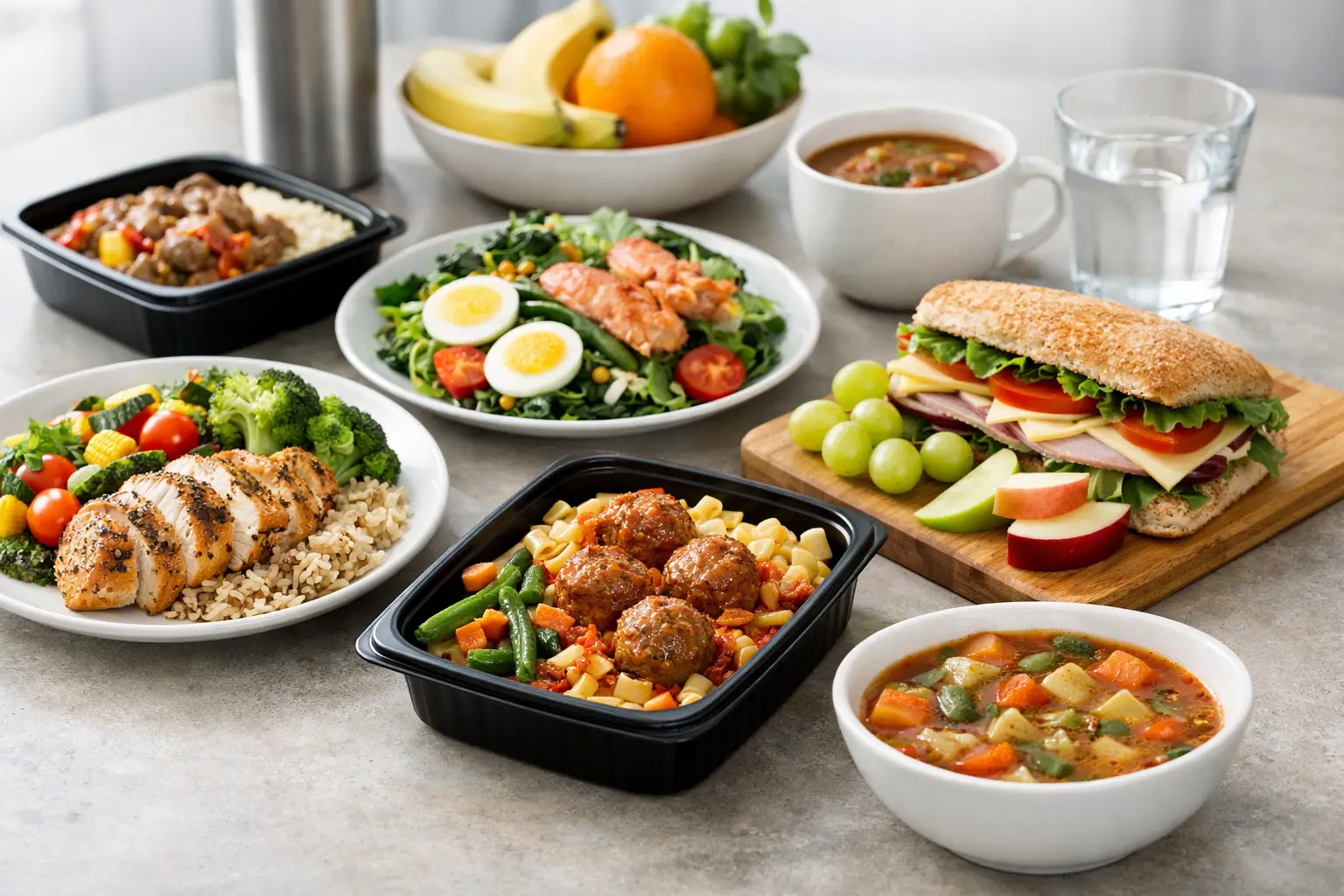
Lunch planning gets weird fast when one person wants a turkey wrap, another eats vegan, someone is avoiding gluten, and a fourth person just wants something filling that does not taste like a compromise. A good mixed diet lunch menu example is not about making four separate meals. It is about building one table where everybody can order with confidence and still be excited when the food lands.
That is the sweet spot for office lunches, family gatherings, casual meetings, school events, and friend groups that contain approximately 11 different food opinions. The move is simple: start with flexible foundations, offer a few clear protein paths, and make flavor the main event. Nobody should have to settle for sad lettuce because they skipped meat or gluten.
What Makes a Mixed Diet Lunch Menu Work?
The best shared lunch menus give people choices without turning the order into a spreadsheet. Think wraps, bowls, salads, sandwiches, and sides that can stand on their own or play nicely together. A plant-based diner should see a real entrée, not just a side dish. A meat eater should have a satisfying classic. Gluten-free guests need options that are thoughtfully prepared, not an afterthought.
The secret sauce is overlap. Rice, greens, roasted vegetables, avocado, fresh fruit, potatoes, sauces, and beans can support several diets at once. From there, proteins and bread choices let guests personalize their plates. This approach keeps ordering simpler, reduces waste, and makes the whole spread feel more generous.
It also helps to label everything clearly. Mark vegan, vegetarian, gluten-free, and dairy-free options, then flag ingredients that matter, such as nuts, eggs, or spicy sauces. Dietary needs are personal, but clear information lets everyone make the call that is right for them.
A Mixed Diet Lunch Menu Example That Feels Like Lunch
Here is a balanced menu built for a group of 10 to 15 people. It brings together familiar comfort food, bright produce, and enough variety to keep the table from becoming a battle of the beige carbs.
The main event: wraps and sandwiches
Offer two hearty wraps and one sandwich-style option. Start with a grilled chicken avocado wrap featuring crisp greens, tomato, avocado, and a tangy dressing. It is familiar, filling, and easy to enjoy at a desk or picnic table.
For the plant-based anchor, serve a veggie wrap loaded with roasted vegetables, greens, hummus, and avocado. This should be a full-flavor choice, not a consolation prize. Roasted peppers, sweet potato, marinated tofu, or a well-seasoned bean filling can give it the kind of bite that makes even the omnivores curious.
Then add a classic turkey or roast beef sandwich on the side, with gluten-free bread available when possible. Keep cheese and creamy spreads optional. That small detail makes the item easier to adapt for dairy-free diners without sacrificing the flavor people expect.
The build-your-own bowl lane
Bowls are the peacekeepers of a mixed-diet lunch. Set out a base of greens and seasoned rice or quinoa, then offer roasted vegetables, black beans or chickpeas, corn, tomato, cucumber, avocado, and a bright salsa or vinaigrette.
For protein, include grilled chicken and a plant-based choice such as tofu, tempeh, or extra beans. A bowl can be vegan, vegetarian, gluten-free, or protein-forward with only a few swaps. Better yet, it looks colorful enough to feel like an actual lunch occasion instead of a cafeteria compromise.
If your group includes people who are particularly sensitive to gluten, keep gluten-free bowl ingredients separate from croutons, flour tortillas, and shared serving utensils. It depends on the guest’s level of sensitivity, but asking ahead is always a thoughtful move.
Fresh sides that everybody reaches for
A mixed menu needs sides with range. A crunchy house salad with dressing served separately is an easy win. Add a fruit platter for a lighter, naturally vegan option, plus a tray of roasted potatoes or sweet potato wedges for the comfort-food crowd.
Chips and guacamole, hummus with vegetables, or a simple grain salad can round out the table without making it feel overloaded. Choose sides that hold up during delivery and do not require a culinary rescue mission after 20 minutes in a takeout box.
Something sweet, with options
Dessert does not need to be a huge production. A platter with brownies, cookies, and fresh fruit gives people a choice between rich and refreshing. If vegan or gluten-free sweets are available, order a small separate batch and label them clearly. People remember being included in dessert decisions. Honestly, they remember that almost as much as they remember the coffee.
How Much Food Should You Order?
For a group lunch, plan for each guest to have one main item plus shared sides. If bowls and wraps are both available, estimate that most people will choose one entrée, while a few will want to sample both. Add one to two side portions per person, depending on whether lunch is the centerpiece of the event or a quick working break.
Variety matters more than ordering a mountain of every item. A useful balance is to make roughly one-third of the main choices vegetarian or vegan, reserve a clear gluten-free path, and offer traditional meat-based favorites for the rest. If you know the group is plant-forward, shift that ratio. If it is a construction crew or a hungry sports team, add more protein and hearty sides. The menu should meet the people at the table, not a rigid formula.
Before placing the order, send one quick message asking about allergies and dietary restrictions. You do not need an interrogation lamp and a clipboard. A simple, friendly check-in helps you avoid the classic moment when someone realizes every available option contains cheese, wheat, or something they cannot eat.
Make It Feel Generous, Not Segregated
There is a difference between offering options and separating guests into food camps. Instead of putting the vegan food on a lonely plate at the end of the table, present everything as part of one colorful spread. Put sauces on the side, use labels, and arrange the menu so every dish looks equally inviting.
This is especially helpful for work lunches and family gatherings, where people may have different needs but still want the easy, communal feeling of sharing a meal. A vibrant bowl bar next to wraps, potatoes, fruit, and cookies says, “Grab what sounds good.” That is a much better vibe than making anybody explain their plate.
At Stella Blue Bistro, that inclusive, no-compromise energy is part of the fun: familiar comfort food, plant-based possibilities, and plenty of color on the table. A lunch menu can have personality. In fact, it should.
A Few Smart Ordering Details
Ask for sauces and dressings on the side so guests can control dairy, spice, and calories. Request cutlery, napkins, and serving utensils for group orders, especially when bowls and shared sides are involved. For takeout or delivery, choose items that travel well, such as wraps, grain bowls, roasted vegetables, and salads with dressing packed separately.
If you are feeding a mixed group at an event, consider adding a small label beside each dish. Keep it plain and useful: “Vegan,” “Gluten-Free,” “Contains Nuts,” or “Spicy.” It removes guesswork and lets the host spend more time hanging out instead of answering ingredient questions between bites.
A great mixed-diet lunch is not a compromise menu. It is a generous one – full of choices, color, and food people actually want to eat. Start with a few flexible favorites, make dietary paths easy to spot, and let everyone build the lunch that makes their afternoon better.
Leave a Reply