
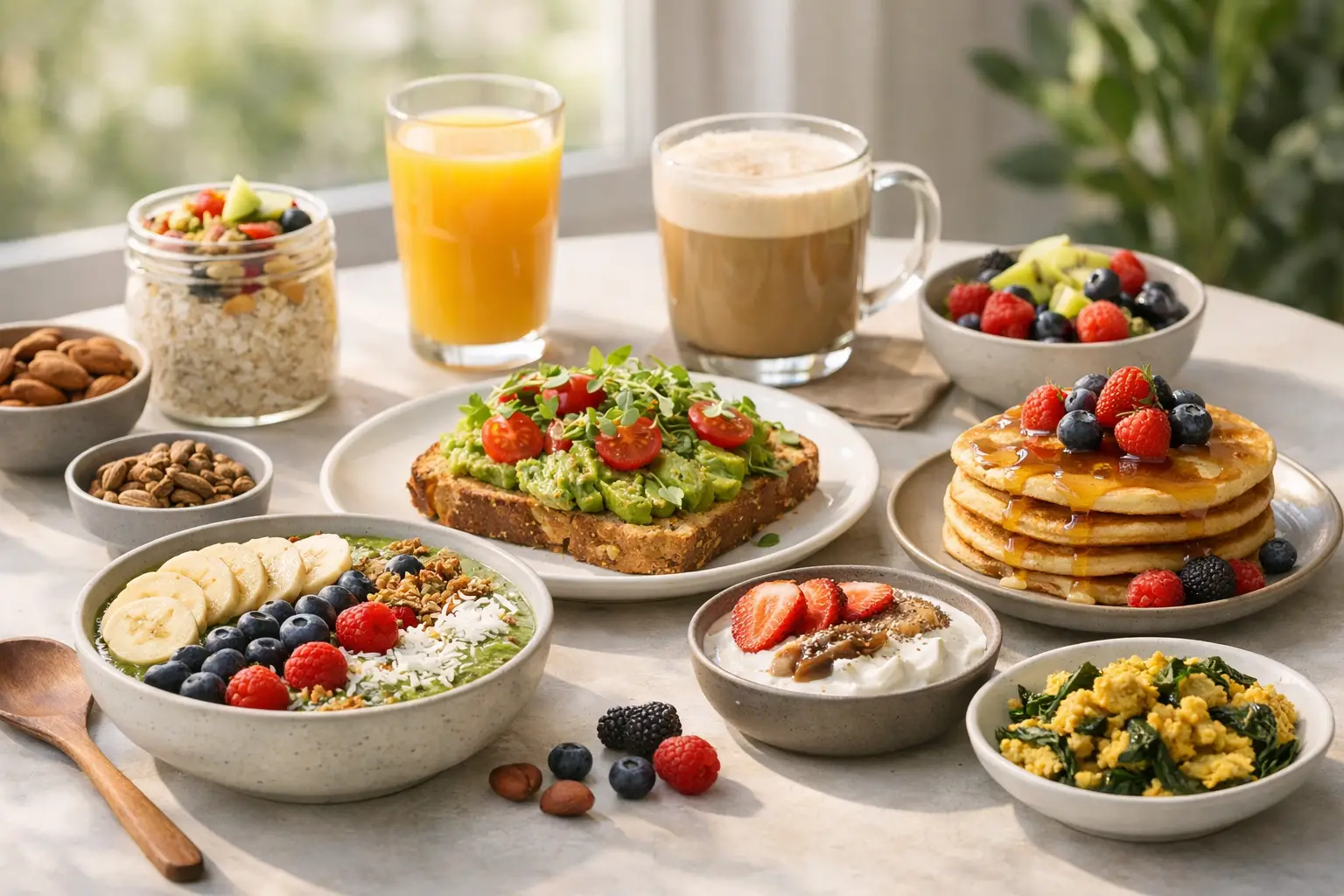
A plain bowl of oatmeal with a few sad raisins no longer gets to represent plant-based breakfast. The plant based breakfast trends showing up on neighborhood brunch tables are louder, heartier, saucier, and built for actual appetites. Think crispy potatoes under a sunny pile of vegetables, breakfast burritos with enough texture to keep every bite interesting, and smoothies that feel like a meal instead of a side quest.
For Huntington diners, this shift matters because breakfast plans rarely happen in a bubble. One friend wants eggs, another is vegan, someone else needs gluten-free options, and everybody wants coffee before making big decisions. The best modern breakfast menus make room for the whole crew without turning anyone’s order into an afterthought.
Plant Based Breakfast Trends Are Getting Seriously Satisfying
The biggest change is simple: plant-based breakfast is moving away from substitutions that apologize for themselves. People are not merely looking for a dairy-free version of a familiar plate. They want a breakfast that has its own personality – savory, crunchy, creamy, spicy, fresh, and filling.
That means more bowls with roasted vegetables, grains, greens, beans, avocado, and bright sauces. It means burritos loaded with seasoned potatoes, plant-based proteins, peppers, onions, and salsa. It means toast that earns its place with a generous spread, tangy toppings, and more than one texture.
Protein remains the practical question behind the trend. A piece of fruit and black coffee may get someone through a morning meeting, but it will not carry most people through a long school day, a workout, or a Saturday spent wandering Huntington. Beans, tofu, nuts, seeds, whole grains, and plant-based meat alternatives all have a role to play. Which one works best depends on the dish. Tofu can bring a soft, savory scramble energy, while beans add heft to a bowl or burrito. Plant-based sausage can be wonderfully craveable, but it is usually strongest when balanced with fresh vegetables and a lively sauce.
The Breakfast Bowl Keeps Its Crown
Breakfast bowls are having a moment because they solve a very real brunch problem: people want choices, but they do not want to build a spreadsheet before 10 a.m. A good bowl layers familiar ingredients in a way that feels generous and easy to customize.
The formula is flexible. Start with a warm base such as potatoes, brown rice, quinoa, or grains. Add vegetables with some char or crunch. Bring in protein, then finish with avocado, herbs, salsa, hot sauce, tahini, or a creamy plant-based dressing. Suddenly, breakfast has rhythm.
Bowls also work beautifully for mixed diets. The plant-based foundation can stay intact, while diners who want an egg or another add-on can make it their own. That is the kind of menu flexibility that keeps brunch from becoming a group-text negotiation.
The catch is that a bowl can become a little too virtuous if it skips seasoning and contrast. Soft grains, soft avocado, and steamed vegetables need a wake-up call. Pickled onions, crispy chickpeas, roasted potatoes, toasted seeds, citrus, or a punchy sauce make the difference between “healthy enough” and “I’m ordering that again.”
Global Flavors Are Powering the Morning
One of the most exciting plant-based breakfast trends is the move toward bolder flavor references. Plant-based food has always had global roots, and breakfast menus are catching up. Mexican-inspired breakfast burritos, Mediterranean spreads, Indian-spiced potatoes, Middle Eastern chickpea dishes, and bright Latin American salsas all bring natural depth without relying on dairy or meat.
This is not about putting a trendy label on every plate. It is about recognizing that garlic, cumin, smoked paprika, chili, lime, tahini, herbs, pickles, and slow-cooked onions have plenty to say before bacon enters the conversation.
Spice levels should still be handled with some common sense. Not everyone wants their first bite of the day to feel like a dare. Offering heat through salsa, chili oil, or hot sauce lets the spice lovers go full volume while keeping the base dish friendly for everyone else.
Coffee and Smoothies Are Becoming Part of the Meal
Plant-based breakfast is not limited to the plate. Oat milk, almond milk, soy milk, and coconut milk have gone from special requests to regular players at the coffee counter. Oat milk is often the crowd favorite in lattes because of its creamy texture, but preferences vary. Soy milk generally brings more protein, while almond milk can be lighter. The right choice comes down to taste, dietary needs, and how the milk behaves in a hot drink.
Smoothies are evolving, too. The best ones are not neon sugar bombs pretending to be breakfast. They combine fruit with ingredients that provide staying power, such as nut butter, oats, chia seeds, flax, or plant-based protein. A smoothie can be a quick breakfast on the way to work, a post-gym reset, or a cool companion to a savory brunch order.
Still, a smoothie is not automatically a complete meal just because it has a banana in it. If the goal is a long-lasting breakfast, look for protein, fiber, and healthy fats alongside fruit. Flavor should be fun, but a 10:30 a.m. hunger crash is not part of the vibe.
Comfort Food Is Still Invited
There is a persistent myth that plant-based breakfast must be delicate. Tell that to a well-made breakfast sandwich. The comfort-food side of this trend is growing fast, with satisfying sandwiches, wraps, loaded hash dishes, pancakes, and baked goods designed to feel indulgent, not restrictive.
The key is care. A breakfast sandwich needs a balance of crisp, soft, salty, and saucy elements. A wrap needs filling in every bite, not one lonely corner of spinach. Dairy-free cheese can be great in the right dish, but it should not be asked to do all the flavor work. Roasted vegetables, caramelized onions, fresh herbs, hot sauce, and savory spreads create the depth that makes comfort food memorable.
For a family-owned spot with a menu built for both classic and alternative dietary preferences, this is where the magic happens. At Stella Blue Bistro, a brunch table can include traditional favorites and plant-forward plates without anyone feeling like they drew the short straw. That is not a compromise. That is just good hosting.
Plant Based Breakfast Trends Favor Customization, With Limits
Customization is a major reason plant-based breakfast continues to gain traction. People have allergies, preferences, training goals, cultural food traditions, and very specific opinions about cilantro. A flexible menu gives diners agency.
But endless modifications can create a confusing order and a kitchen headache. The sweet spot is a menu with thoughtful plant-based dishes that stand on their own, plus clear swaps and add-ons where they genuinely make sense. A solid vegan bowl should taste complete before anyone starts editing it. A breakfast burrito should have a clear flavor identity, not an ingredient list that reads like a permission slip.
Clear descriptions matter here. Diners appreciate knowing whether a dish is vegan by default, vegetarian, gluten-free, or adaptable. They also deserve transparency about ingredients, especially when sauces, breads, and meat alternatives are involved. No mysteries before coffee, please.
What This Means for Your Next Brunch Plan
The real appeal of plant-based breakfast is not that it asks everyone to eat the same way. It gives the whole table more good options. A vegan diner can order something substantial. A meat-and-eggs regular can still get their favorite comfort plate. The friend who wants a smoothie and a quiet corner can settle in, while the crew ordering burritos, coffee drinks, and extra hot sauce can make a morning of it.
The trend is headed toward food that is more colorful, more generous, and more honest about what people want from breakfast: energy, flavor, convenience, and a little joy before the day gets weird. So bring your mixed-diet brunch squad, order the thing that sounds delicious, and let breakfast be the easiest decision you make all day. ✌️
Leave a Reply